Penn State Materials Research Institute

  • intranetMRI Intranet
    contactusContact Us
  • Home
  • About MRI
      1. 2025-2030 Strategic Plan Executive Summary
      2. Personnel Directory
      3. Safety
      4. Opportunities + Awards
      5. Intellectual Property
      6. Academics
      7. Organization
      8. Millennium Science Complex
      9. History
      10. Staff Advisory Committee
  • Our Research
      1. Research Themes
      2. Research Centers
  • Core Research Facilities
      1. Materials Characterization Lab
      2. Nanofabrication Lab
      3. 2D Crystal Consortium
  • Access to Facilities
      1. Getting Started
      2. User Rates
      3. Requirements for Penn State Users
      4. Requirements for Non-Penn State Users
  • For Industry
      1. Visiting Industry Representative (VIR) Program
  • News
      1. eMaterials Newsletter
      2. News
      3. Focus on Materials
      4. Videos
      5. Pioneers of Materials Gallery
  • Events
      1. 2025 Materials Day
      2. 2025 Millennium Microscopy Lectures
      3. 2025: Millennium Café Pitch Competition
      4. Millennium Café
      5. 2DCC-MIP Webinars
      6. 2026 IWATMD
      7. Past Events at MRI


MRI

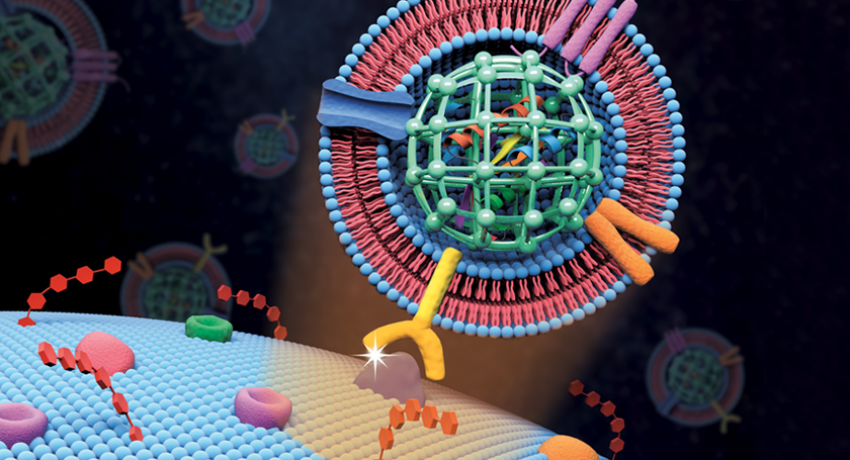
Antibody Binding-Site Conserved Across COVID-19 Virus Variants

A tiny protein of SARS-CoV-2, the coronavirus that gives rise to COVID-19, may have big implications for future treatments, according to a team of Penn State researchers.

  • Read more about Antibody Binding-Site Conserved Across COVID-19 Virus Variants

Graphene Key For Novel Hardware Security

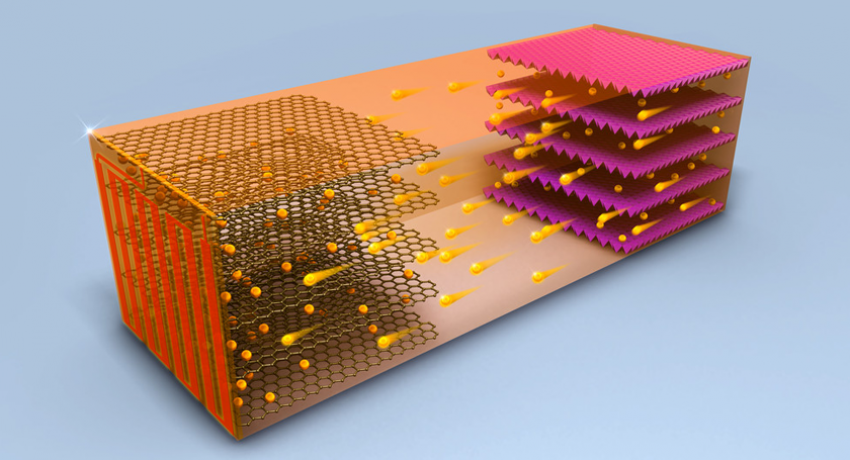
As more private data is stored and shared digitally, researchers are exploring new ways to protect data against attacks from bad actors.

  • Read more about Graphene Key For Novel Hardware Security

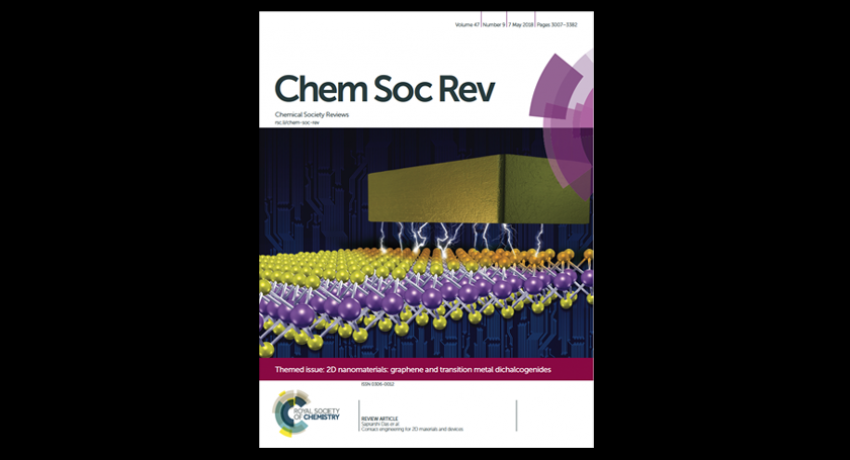
NSF Renews Funding For Two-Dimensional Crystal Consortium

Penn State facility enables development of new ultra-thin materials for advanced electronics

  • Read more about NSF Renews Funding For Two-Dimensional Crystal Consortium

Skin And Bones Repaired By Bioprinting During Surgery

Researchers have repaired traumatic injuries in a rat model using bioprinting during surgery, and their work may lead to faster and better methods of healing skin and bones.

  • Read more about Skin And Bones Repaired By Bioprinting During Surgery

Scientists Develop Transparent Electrode That Boosts Solar Cell Efficiency

Developing new ultrathin metal electrodes has allowed researchers to create semitransparent perovskite solar cells that are highly efficient and can be coupled with traditional silicon cells to greatly boost the performance of both devices.

  • Read more about Scientists Develop Transparent Electrode That Boosts Solar Cell Efficiency

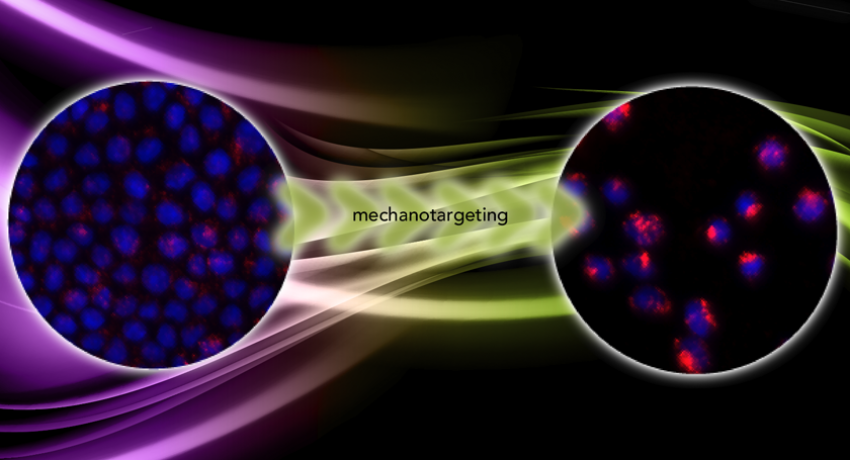
New Tissue-Closure Model May Aid In Promotion Of Faster Wound Healing

The observation of a previously undetected biological mechanism for closing gaps in living tissue improves basic understanding of the wound-healing process.

  • Read more about New Tissue-Closure Model May Aid In Promotion Of Faster Wound Healing

Innovative Batteries Put Flying Cars On The Horizon

A team of Penn State researchers are exploring the requirements for electric vertical takeoff and landing vehicles and designing and testing potential battery power sources.

  • Read more about Innovative Batteries Put Flying Cars On The Horizon

Materials Researcher Honored With ACerS's 2021 Orton Lectureship

Clive Randall honored for contributions to advanced ceramics research

  • Read more about Materials Researcher Honored With ACerS's 2021 Orton Lectureship

Researchers World-Wide Find Great Value In ReaxFF Reactive Force Field

Force field is used to create better simulations to enable more efficient, effective research

  • Read more about Researchers World-Wide Find Great Value In ReaxFF Reactive Force Field

Computers Help Researchers Find Materials To Turn Solar Power Into Hydrogen

Finding materials that boost hydrogen production is a step toward competing economically with carbon-based fuels

  • Read more about Computers Help Researchers Find Materials To Turn Solar Power Into Hydrogen

Pagination

  • First page « First
  • Previous page ‹ Previous
  • …
  • Page 62
  • Page 63
  • Page 64
  • Page 65
  • Current page 66
  • Page 67
  • Page 68
  • Page 69
  • Page 70
  • …
  • Next page Next ›
  • Last page Last »
Subscribe to MRI
    Follow Us:
  • linkedin
  • youtube
  • twitterX
  • instagram
Penn State
Materials Research Institute
© The Pennsylvania State University Materials Research Institute. All rights reserved.

Penn State is committed to ensuring that people with disabilities have an opportunity equal to that of their nondisabled peers to participate in the University's programs, benefits, and services, including those delivered through information and communications technology.

If you discover a web page or application that is not accessible or does not conform to the University’s Accessibility Policy (AD69), please contact our IT Accessibility Team by email at accessibility@psu.edu. Please describe the problem, including the web address or URL of the web page or application. You may also call the University Help Desk at 814-865-HELP (4357). For more details, read the Penn State Accessibility Statement.

Main Location

  • addressThe Materials Research Institute
    Millennium Science Complex
    491 Pollock Road
    University Park, PA 16802

Subscribe to MRI

It is FREE and easy!
Join our mailing list

Subscribe Here

LEO Cores Login/Registration

LEO Cores Login and Registration

About MRI

  • aboutusAbout the Institute
  • ipIntellectual Property
  • academicsAcademics
  • orgOrganization
  • mscMillennium Science Complex
  • historyHistory

For MRI Staff

  • msacStaff Advisory Committee

MRI Intranet

  • intranetIntranet

Acknowledgment & Authorship Guidelines

  • acknowledgementsGuidelines for the Penn State Office of the Senior Vice President for Research Core Research Facilities
Copyright © The Pennsylvania State University | Materials Research Institute. All rights reserved.

The 2DCC-MIP is funded by NSF cooperative agreement DMR-2039351.

MRI is not responsible for the content of external sites. Registration may be required for some sites.

General inquiries: mri-info@psu.edu | Website inquiries: mri-web@psu.edu

Copyright © The Pennsylvania State University | Materials Research Institute. All rights reserved.
Top