Visitor Program With Corning Scientist A Win For Industry And Penn State
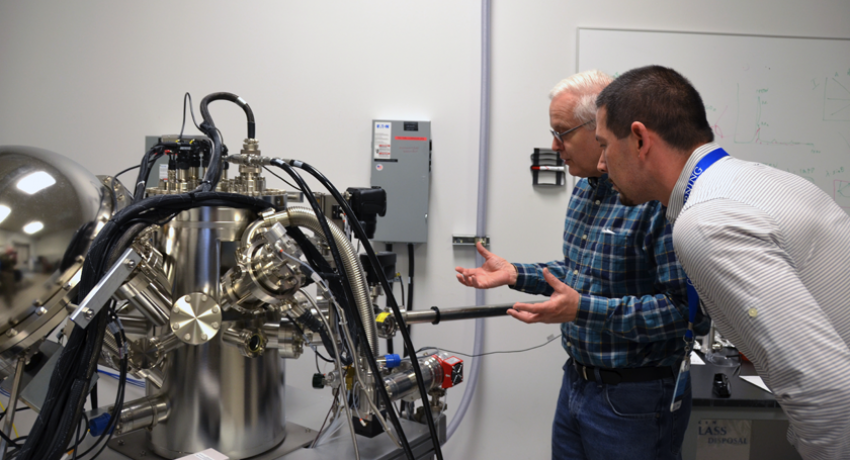
In 2017, MRI and Penn State began piloting a new program aimed to support the further development of strategic collaboration with industry.
In 2017, MRI and Penn State began piloting a new program aimed to support the further development of strategic collaboration with industry.
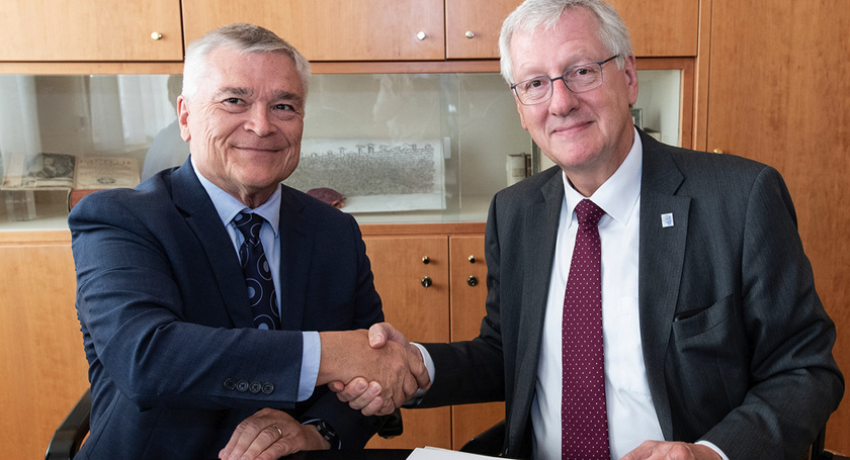
A new strategic partnership between Penn State and the University of Freiburg in Germany will propel the development of a new class of engineered living materials with potential applications in sustainable infrastructure, robotics technologies, and next-generation medical care.
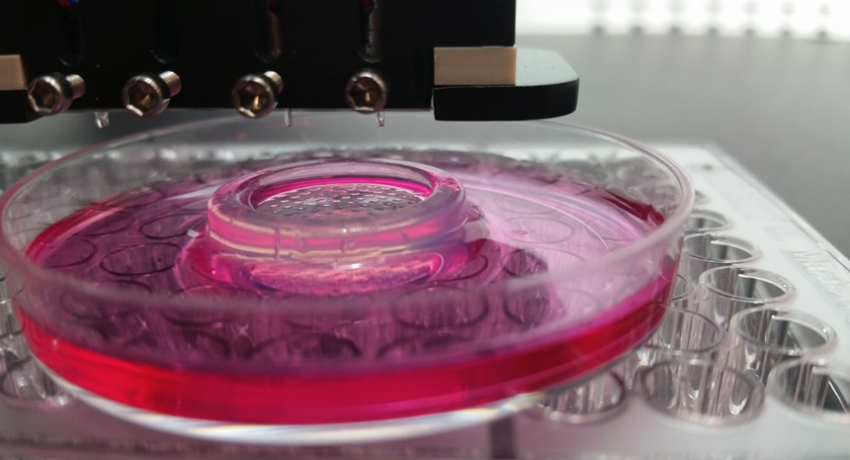
Ibrahim Tarik Ozbolat, has received four grants totaling about $1.5 million to explore ways to bioprint biological tissues like bone, lungs and other organs for use as models in a variety of studies.
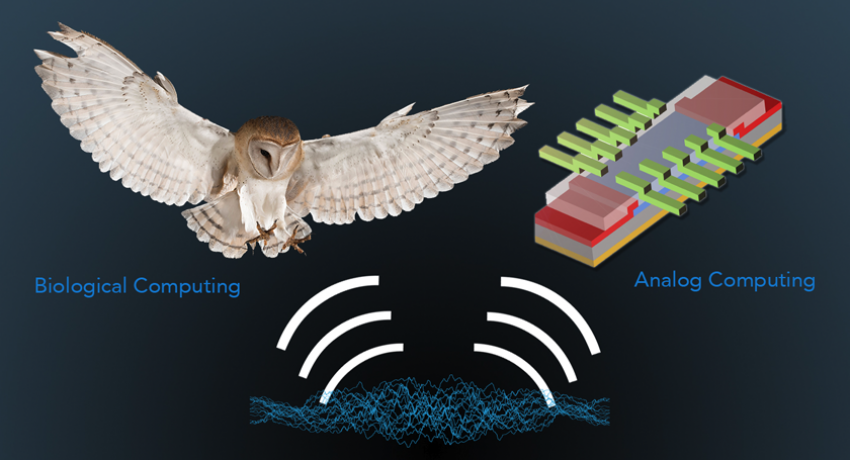
The way barn owl brains use sound to locate prey may be a template for electronic directional navigation devices.
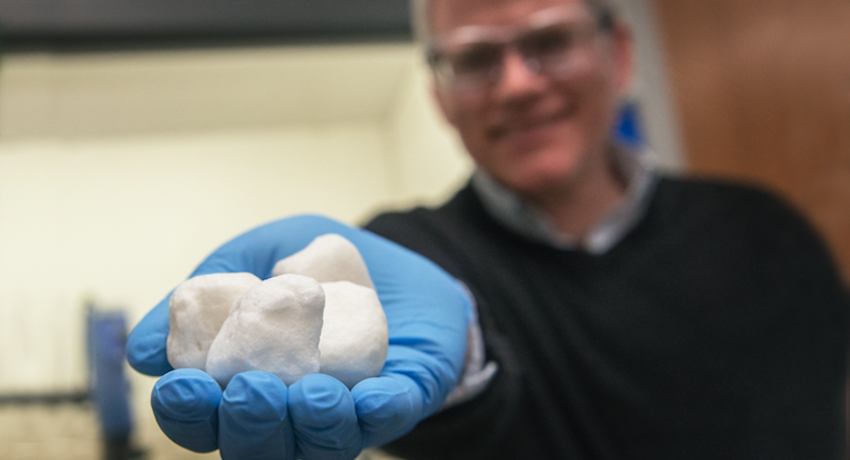
Catchmark is developing new biomaterials by manipulating compounds found in nature.
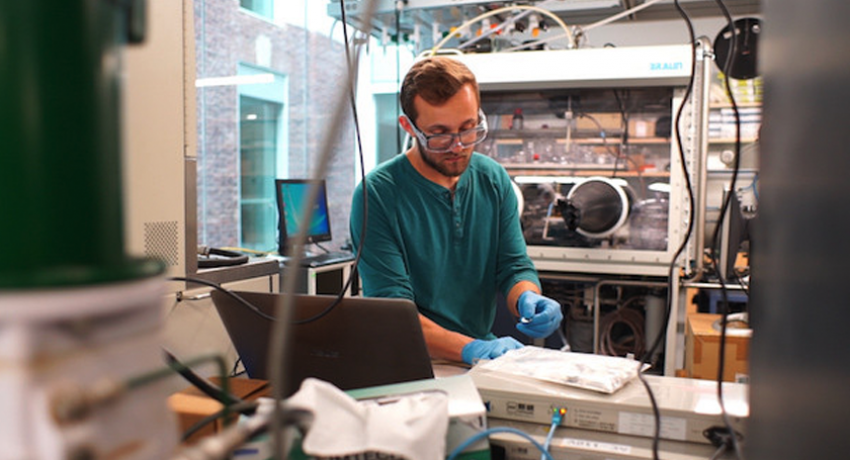
By discovering a way to combine lithium salts with ceramics, Penn State researchers may have created a new class of materials for longer-lasting batteries.
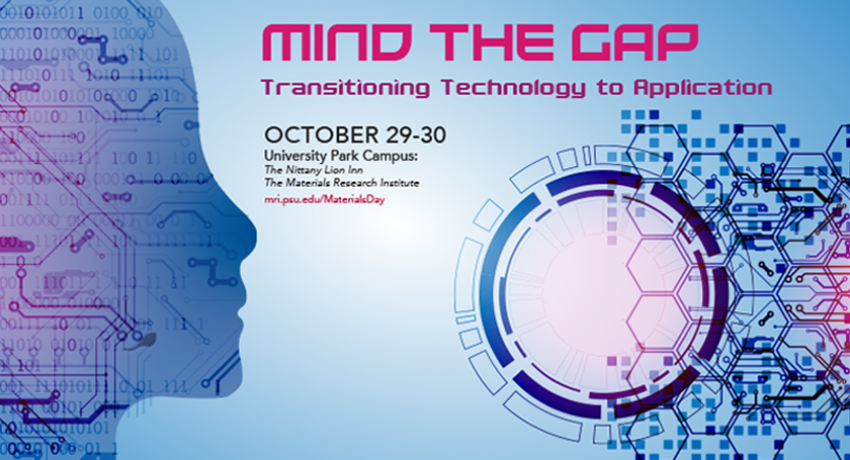
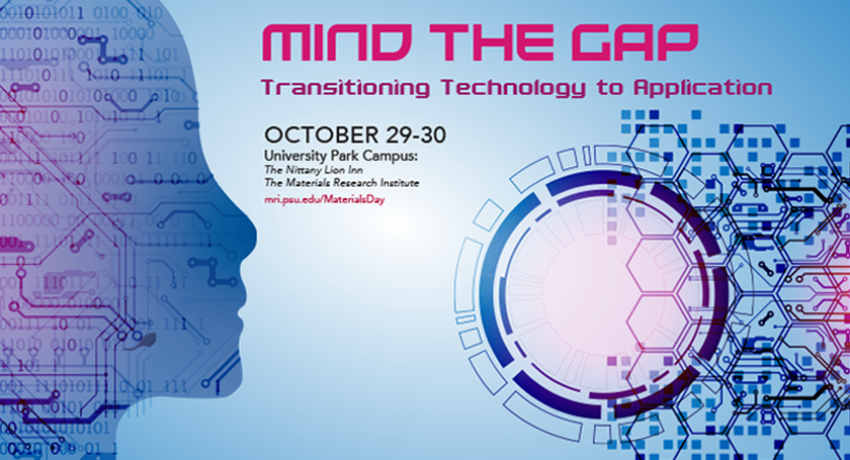
The theme of this year’s Materials Day is Mind the Gap Transitioning Technology to Application. The gap between the university lab and commercialization of research is often called the Valley of Death. During this Materials Day, we look for ways to close the gap.
October 29 - Nittany Lion Inn
October 30 - The Millennium Science Complex

Penn State researchers have designed a 2D device that can provide more than yes-or-no answers and could be more brainlike than current computing architectures.

A new research partnership with Pennsylvania State University and the University of Sheffield aims to promote more sustainable supply chains to meet US policy standards.