Penn State Materials Research Institute

  • intranetMRI Intranet
    contactusContact Us
  • Home
  • About MRI
      1. 2025-2030 Strategic Plan Executive Summary
      2. Personnel Directory
      3. Safety
      4. Opportunities + Awards
      5. Intellectual Property
      6. Academics
      7. Organization
      8. Millennium Science Complex
      9. History
      10. Staff Advisory Committee
  • Our Research
      1. Research Themes
      2. Research Centers
  • Core Research Facilities
      1. Materials Characterization Lab
      2. Nanofabrication Lab
      3. 2D Crystal Consortium
  • Access to Facilities
      1. Getting Started
      2. User Rates
      3. Requirements for Penn State Users
      4. Requirements for Non-Penn State Users
  • For Industry
      1. Visiting Industry Representative (VIR) Program
  • News
      1. eMaterials Newsletter
      2. News
      3. Focus on Materials
      4. Videos
      5. Lab Spotlight Series
      6. Pioneers of Materials Gallery
  • Events
      1. Millennium Café
      2. Millennium Microscopy Lectures
      3. 2DCC-MIP Webinars
      4. 2026 IWATMD
      5. Past Events at MRI


MRI

Fibrous Protein Finding May Lead To Improved Bioprinting, Tissue Engineering

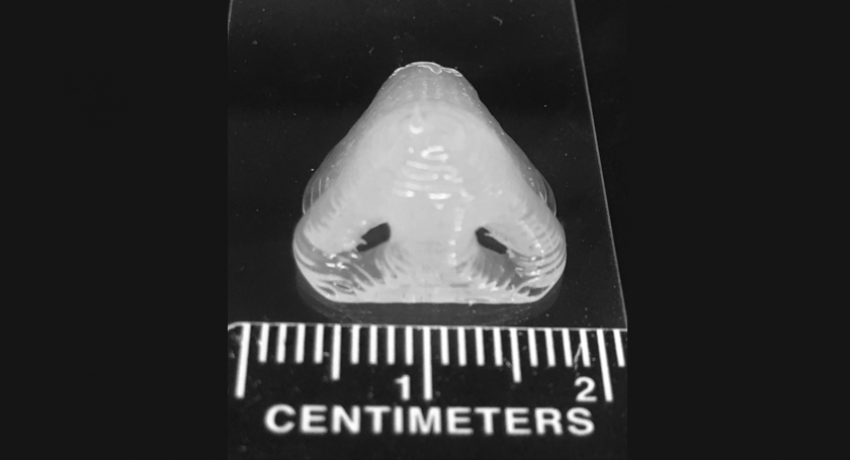
Fibrous proteins such as collagen and fibrinogen form a thin solid layer on the surface of an aqueous solution, could lead to more efficient bioprinting and tissue engineering.

  • Read more about Fibrous Protein Finding May Lead To Improved Bioprinting, Tissue Engineering

The Complex Mystery Of Membranes

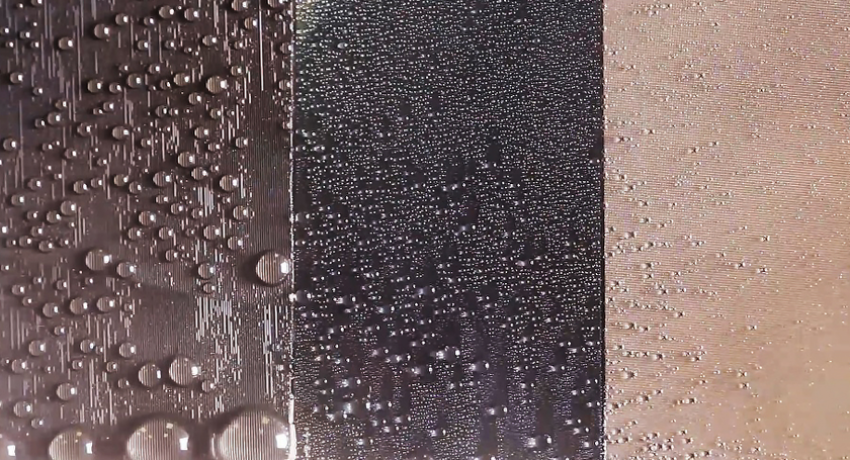
A desalination membrane acts as a filter for salty water: Push the water through the membrane, get clean water suitable for agriculture, energy production and even drinking.

  • Read more about The Complex Mystery Of Membranes

Engineers Find Antioxidants Improve Nanoscale Visualization Of Polymers

Reactive molecules, such as free radicals, can be produced in the body after exposure to certain environments or substances and go on to cause cell damage.

  • Read more about Engineers Find Antioxidants Improve Nanoscale Visualization Of Polymers

New Piezoelectric Material Remains Effective To High Temperatures

Piezoelectric materials hold great promise as sensors and as energy harvesters but are normally much less effective at high temperatures, limiting their use in environments such as engines or space exploration.

  • Read more about New Piezoelectric Material Remains Effective To High Temperatures

Inexpensive Battery Charges Rapidly For Electric Vehicles, Reduces Range Anxiety

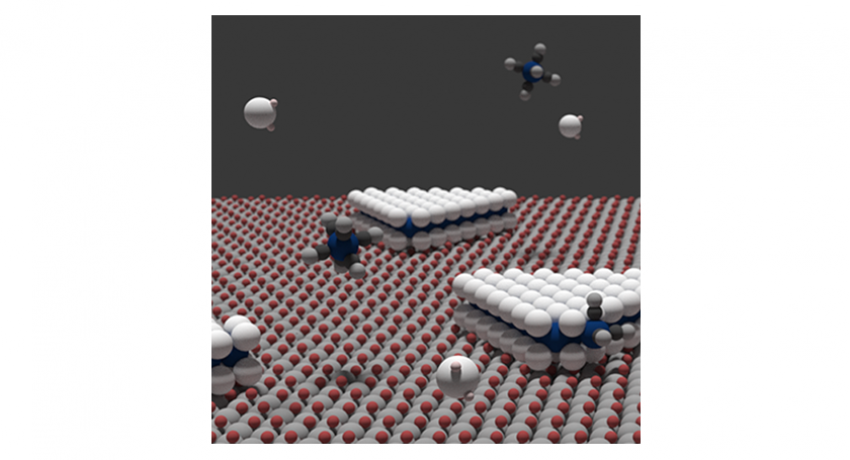
A team of Penn State engineers are looking at lithium iron phosphate batteries that have a range of 250 miles with the ability to charge in 10 minutes.

  • Read more about Inexpensive Battery Charges Rapidly For Electric Vehicles, Reduces Range Anxiety

Wearable Sensor Monitors Health, Administers Drugs Using Saliva And Tears

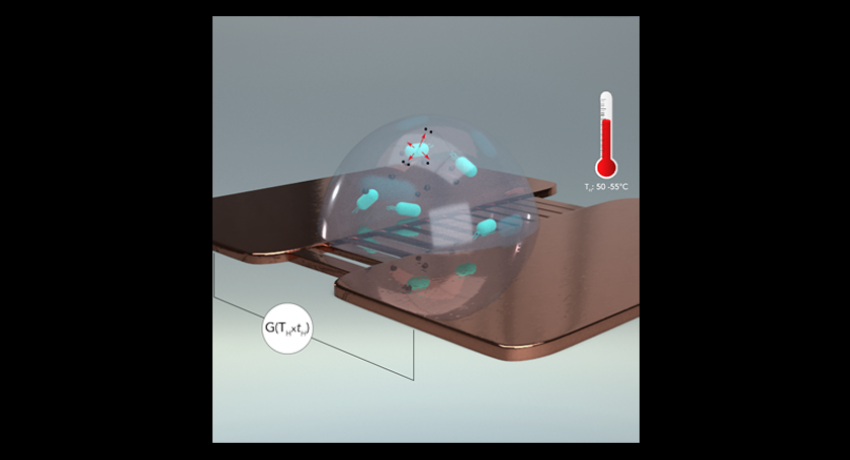
A new kind of wearable health device would deliver real-time medical data to those with eye or mouth diseases.

  • Read more about Wearable Sensor Monitors Health, Administers Drugs Using Saliva And Tears

Transistors Built From Ultra-Thin 2D Materials Take A Step Forward

Illustration of a transistor circuit

Two-dimensional materials can be used to create smaller, high-performance transistors traditionally made of silicon.

  • Read more about Transistors Built From Ultra-Thin 2D Materials Take A Step Forward

Army Grant Could Advance High-Grade Steel 3D Printing

toy model of a military vehicle

Through the power of additive manufacturing, these materials could be widely used in defense-related applications, including personal armor and armored vehicles

  • Read more about Army Grant Could Advance High-Grade Steel 3D Printing

$8 Million NASA Grant Pilots Course To Hybrid-Powered Aircraft

Photo of a conceptual model of a plane

Female-led team in the Penn State Department of Mechanical Engineering seeks to reimagine gas turbine engines within hybrid electric propulsion systems to decrease the carbon footprint of aviation

  • Read more about $8 Million NASA Grant Pilots Course To Hybrid-Powered Aircraft

Shining A Light On A Forgotten Figure In Science History

Penn State Faculty Member Discovers, Translates Lost Interview With Walter Friedrich, Pioneer Of X-Ray Diffraction

  • Read more about Shining A Light On A Forgotten Figure In Science History

Pagination

  • First page « First
  • Previous page ‹ Previous
  • …
  • Page 61
  • Page 62
  • Page 63
  • Page 64
  • Current page 65
  • Page 66
  • Page 67
  • Page 68
  • Page 69
  • …
  • Next page Next ›
  • Last page Last »
Subscribe to MRI
    Follow Us:
  • linkedin
  • youtube
  • twitterX
  • instagram
Penn State
Materials Research Institute
© The Pennsylvania State University Materials Research Institute. All rights reserved.

Penn State is committed to ensuring that people with disabilities have an opportunity equal to that of their nondisabled peers to participate in the University's programs, benefits, and services, including those delivered through information and communications technology.

If you discover a web page or application that is not accessible or does not conform to the University’s Accessibility Policy (AD69), please contact our IT Accessibility Team by email at accessibility@psu.edu. Please describe the problem, including the web address or URL of the web page or application. You may also call the University Help Desk at 814-865-HELP (4357). For more details, read the Penn State Accessibility Statement.

Main Location

  • addressThe Materials Research Institute
    Millennium Science Complex
    491 Pollock Road
    University Park, PA 16802

Subscribe to MRI

It is FREE and easy!
Join our mailing list

Subscribe Here

LEO Cores Login/Registration

LEO Cores Login and Registration

About MRI

  • aboutusAbout the Institute
  • ipIntellectual Property
  • academicsAcademics
  • orgOrganization
  • mscMillennium Science Complex
  • historyHistory

For MRI Staff

  • msacStaff Advisory Committee

MRI Intranet

  • intranetIntranet

Acknowledgment & Authorship Guidelines

  • acknowledgementsGuidelines for the Penn State Office of the Senior Vice President for Research Core Research Facilities
Copyright © The Pennsylvania State University | Materials Research Institute. All rights reserved.

The 2DCC-MIP is funded by NSF cooperative agreement DMR-2039351.

MRI is not responsible for the content of external sites. Registration may be required for some sites.

General inquiries: mri-info@psu.edu | Website inquiries: mri-web@psu.edu

Copyright © The Pennsylvania State University | Materials Research Institute. All rights reserved.
Top