Could A 'Demon' Help To Create A Quantum Computer?
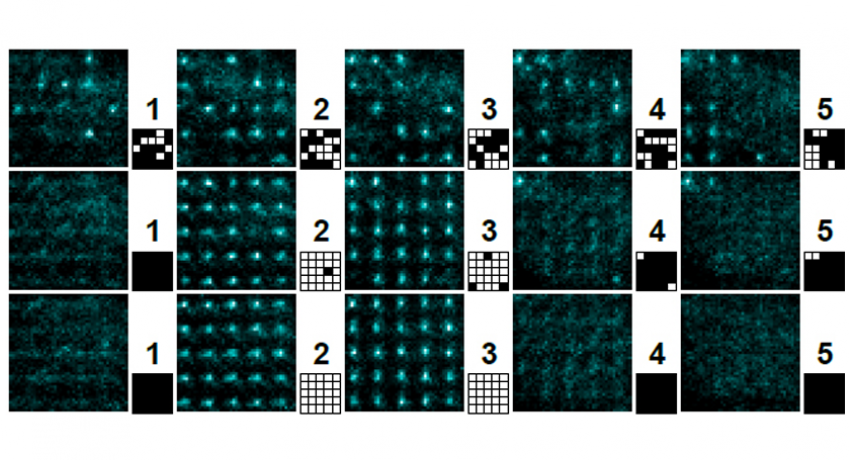
Physicists implement a version of Maxwell's famous thought experiment for reducing entropy

Physicists implement a version of Maxwell's famous thought experiment for reducing entropy

In its mission to transform the way we generate, supply, transmit, store and use energy, the Energy Frontier Research Centers (EFRC), housed within the U.S. Department of Energy, has selected two projects with participation by the Penn State Department of Mechanical and Nuclear Engineering for funding.

A new grant will help Penn State researchers develop an innovative foam that helps seal wounds quickly.

There is a scrapyard in Accra, Ghana, known as "Agbogbloshie," where e-waste goes to die — at least, that is the way it has been misrepresented and misunderstood by those on the outside.
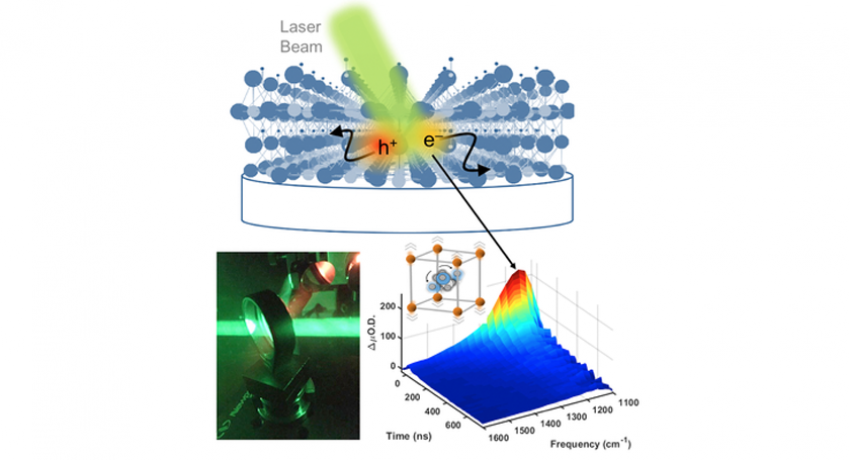
New insight into how a certain class of photovoltaic materials allows efficient conversion of sunlight into electricity could position these materials to replace traditional silicon solar cells.
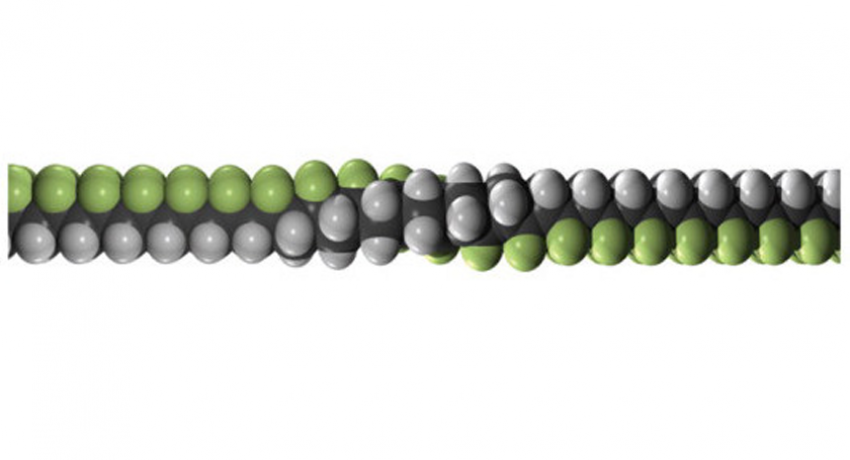
The inability to alter intrinsic piezoelectric behavior in organic polymers hampers their application in flexible, wearable and biocompatible devices.
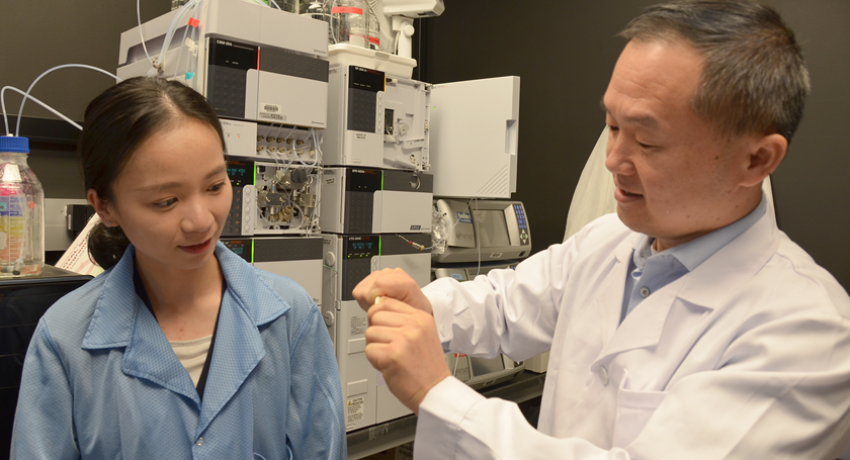
A material based on a natural product of bones and citrus fruits, called citrate, provides the extra energy stem cells need to form new bone tissue.
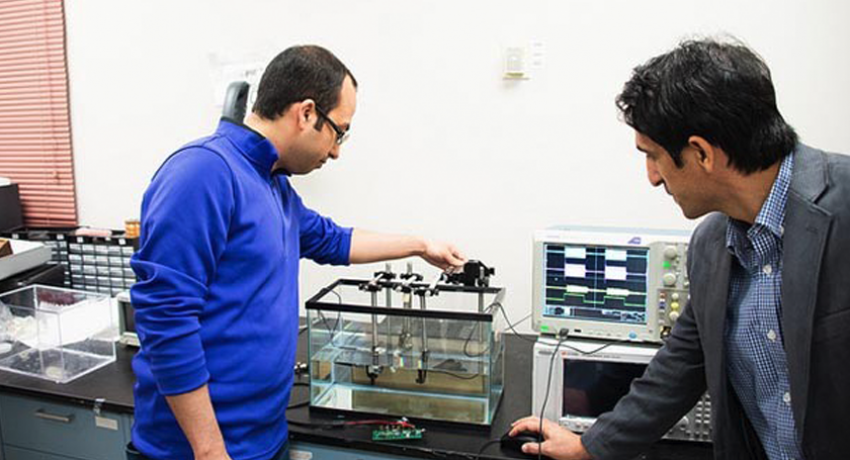
A team of researchers is developing a minimally invasive technology for recording and modulating neurons that would allow for unprecedented large-scale neural stimulation and recording with high spatial resolution.
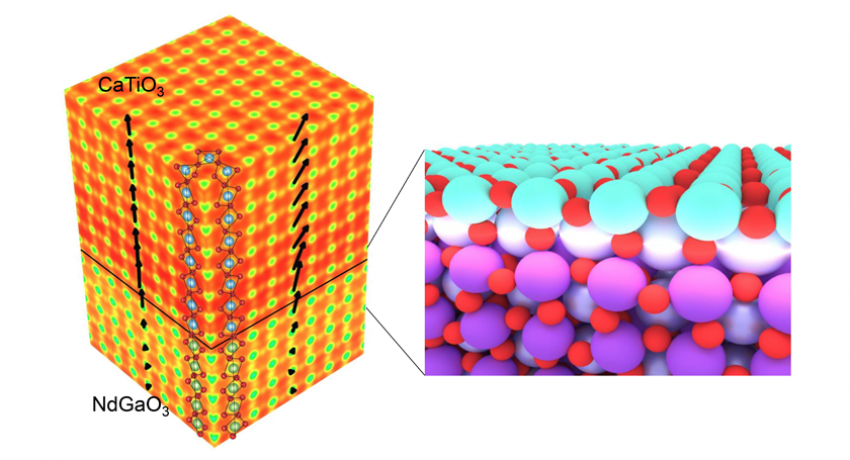
A team of materials scientists have, for the first time, visualized the 3D atomic and electron density structure of the most complex perovskite crystal structure system decoded to date.

Topological control of electrons means future electronic roadways are now possible.