Inexpensive Battery Charges Rapidly For Electric Vehicles, Reduces Range Anxiety
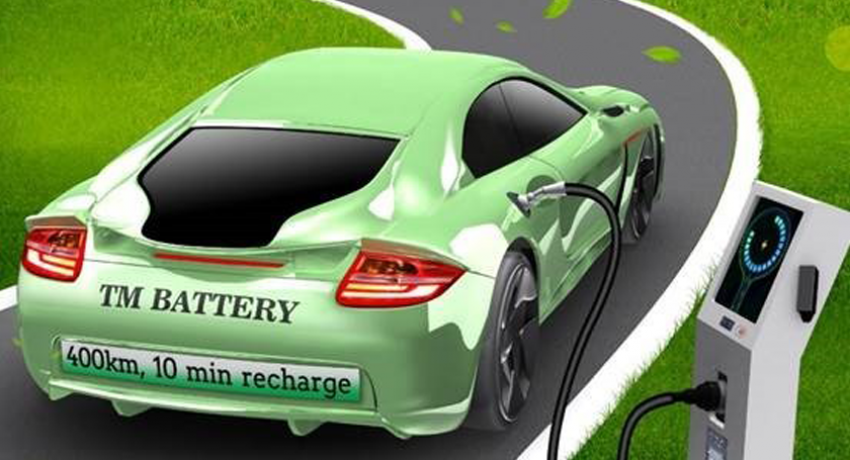
A team of Penn State engineers are looking at lithium iron phosphate batteries that have a range of 250 miles with the ability to charge in 10 minutes.

A team of Penn State engineers are looking at lithium iron phosphate batteries that have a range of 250 miles with the ability to charge in 10 minutes.

A new kind of wearable health device would deliver real-time medical data to those with eye or mouth diseases.

Two-dimensional materials can be used to create smaller, high-performance transistors traditionally made of silicon.
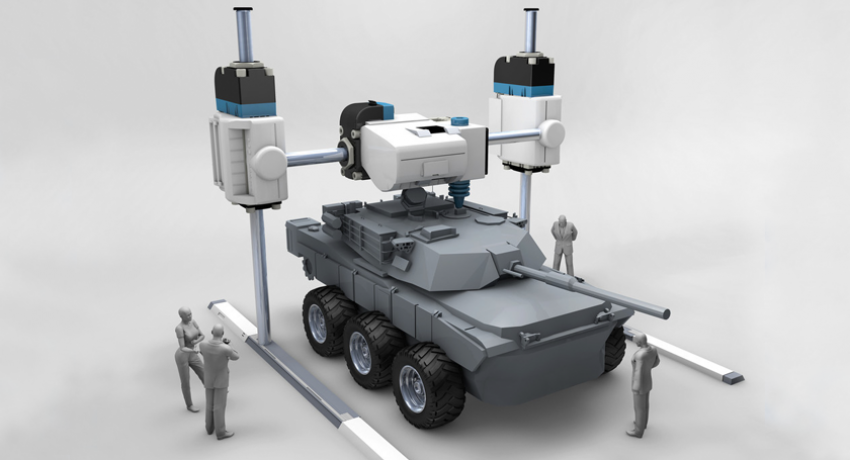
Through the power of additive manufacturing, these materials could be widely used in defense-related applications, including personal armor and armored vehicles

Female-led team in the Penn State Department of Mechanical Engineering seeks to reimagine gas turbine engines within hybrid electric propulsion systems to decrease the carbon footprint of aviation

Penn State Faculty Member Discovers, Translates Lost Interview With Walter Friedrich, Pioneer Of X-Ray Diffraction

Penn State faculty, staff and students are mourning the loss of Stewart Kurtz, professor emeritus of electrical engineering, who died Feb. 13 at age 89. Kurtz was known for his impact on the growth of materials science and materials engineering at Penn State, helping to set it on a path to becoming one of the global leaders in materials research.

Novel transistor planned as low-energy alternative to traditional silicon transistors

Grants To Help Fund Variety Of Interdisciplinary High-Impact, Materials-Focused Research
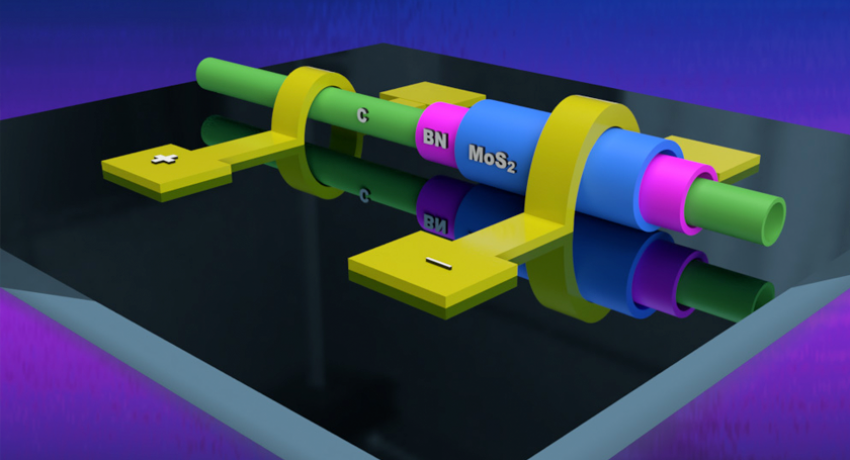
The recent synthesis of one-dimensional van der Waals heterostructures, may lead to new, miniaturized electronics that are currently not possible, according to a team of Penn State and University of Tokyo researchers.