Wearable Biosensors May Pave The Way For Personalized Health And Wellness
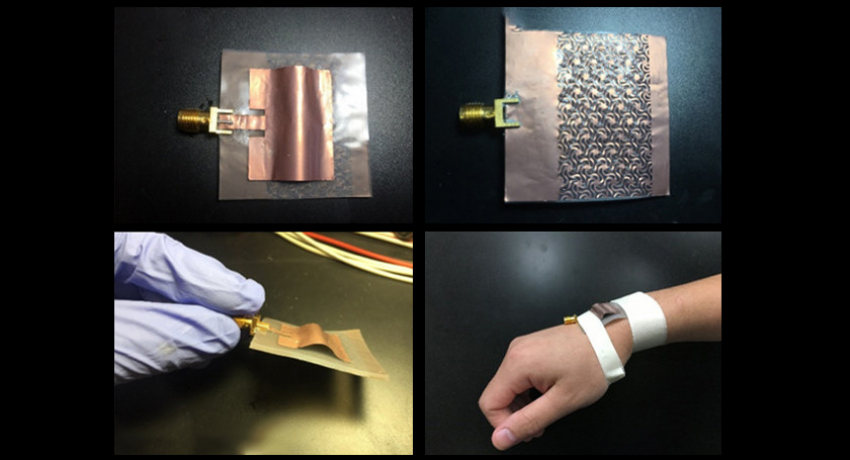
Penn State engineers say computational power is key to technology for smart bandages, health tattoos and artificial organs.

Penn State engineers say computational power is key to technology for smart bandages, health tattoos and artificial organs.
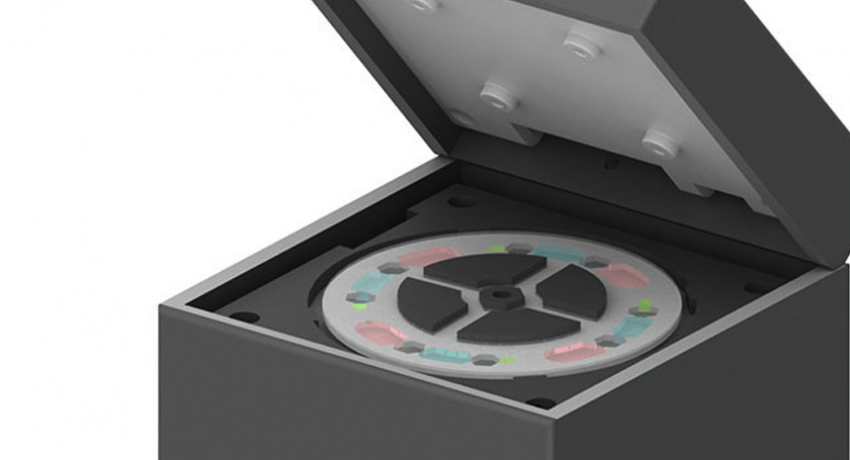
A point-of-care testing device that may help diagnose the novel coronavirus disease (COVID-19) is under development by Weihua Guan.

A new method to deliver proteins for therapy inside the body has been developed by a team of researchers at Penn State.

Penn State biomedical engineer is researching an inhalable alternative to needle vaccines

A new supercapacitor based on manganese oxide could combine the storage capacity of batteries with the high power and fast charging of other supercapacitors.
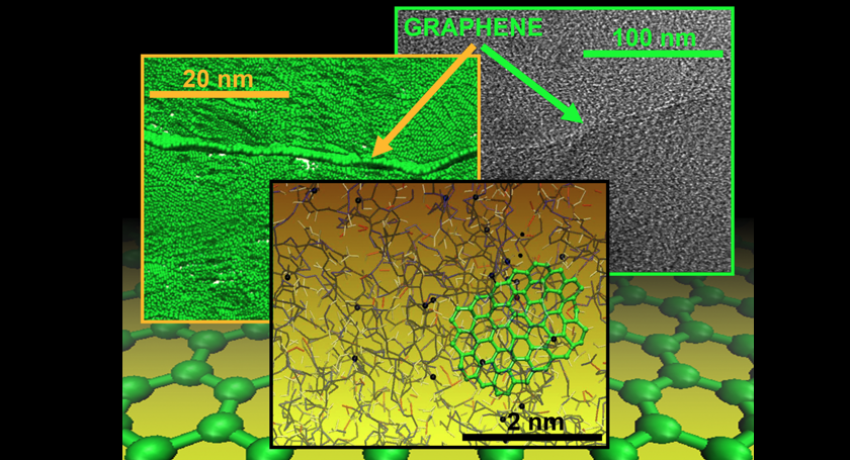
A new way of creating carbon fibers — which are typically expensive to make — could one day lead to using these lightweight, high-strength materials to improve safety and reduce the cost of producing cars.

The next generation of solar cells, made from flexible, wearable material, may soon charge our devices on the go, or provide critical electricity when other power sources are not available, like during a natural disaster.

A personal, handheld device emitting high intensity ultraviolet light to disinfect areas by killing the Corona virus is now feasible.
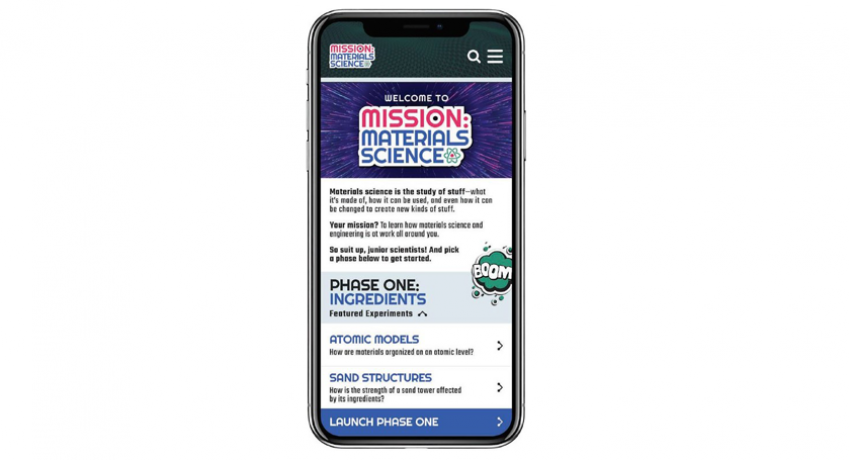
Penn State’s Center for Nanoscale Science releases a new website full of family-friendly, at-home science experiments
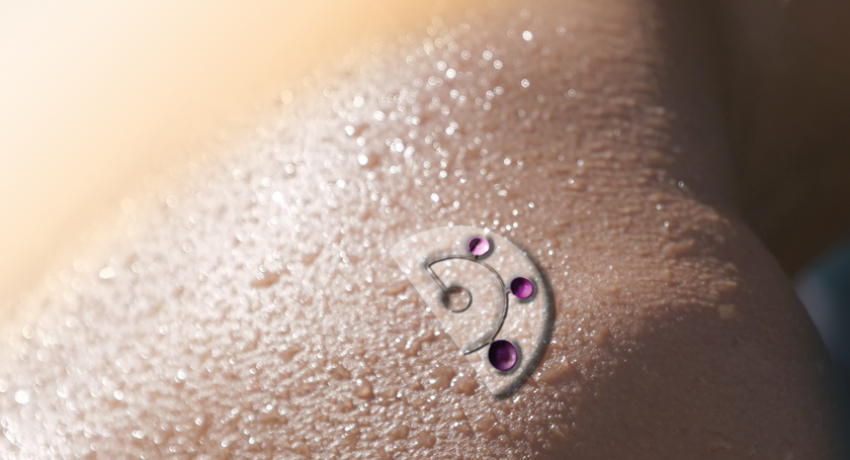
A device to monitor health conditions in the body using a person’s sweat has been developed by researchers at Penn State and Xiangtan University.