
Cold sintering may rescue plastic, ceramics, battery components from landfills
Recycling does not necessarily prevent an item from eventually ending up in a landfill, according to Enrique Gomez, interim associate dean for equity and inclusion and professor of chemical engineering in the Penn State College of Engineering. Instead, recycling simply delays its end of life. Plastic bottles that are recycled and then turned into carpet, for example, eventually end up in the landfill when the carpet gets worn out and is thrown away.
Making light ‘feel’ a magnetic field like an electron would
By Sam Sholtis
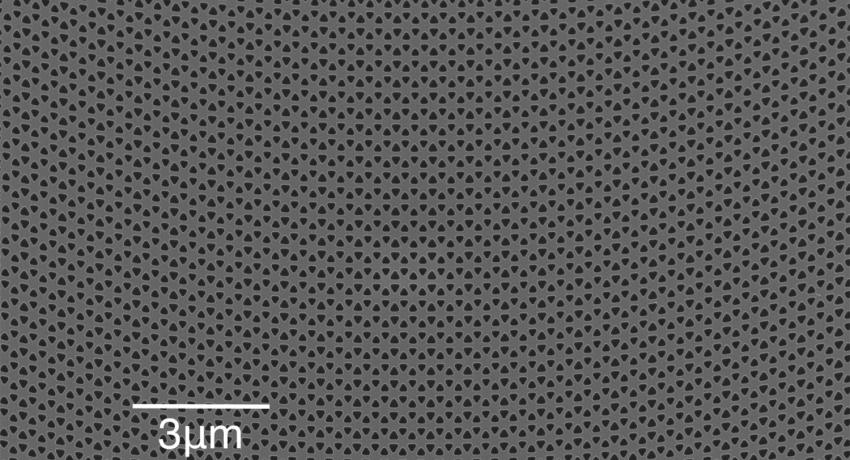
New observation could provide way to increase the strength of interaction between light and matter, eventually leading to smaller lasers and other improved photonic technologies
COMMS
Penn State University Park

Center for COmputational Mesoscale Materials Science (COMMS) is supported as part of the Computational Materials Sciences Program funded by the US Department of Energy, Office of Science, Basic Energy Sciences, under Award Number DE-SC0020145 (DOE Program Managers: Matthias Graf, Matthias.Graf@science.doe.gov, Dr. Claudia Mewes, Claudia.Mewes@science.doe.gov)

Dipanjan Pan
Dorothy Foehr Huck & J. Lloyd Huck Chair Professor in Nanomedicine
Professor of Materials Science and Engineering, Professor of Nuclear Engineering
205 Hallowell Building
https://www.linkedin.com/in/dipanjanpan/
https://www.matse.psu.edu/directory/dipanjan-pan
https://scholar.google.com/citations?user=3Fl7W4EAAAAJ&hl=en
https://twitter.com/ProfDipanjanPan
GPS nanoparticle platform precisely delivers therapeutic payload to cancer cells
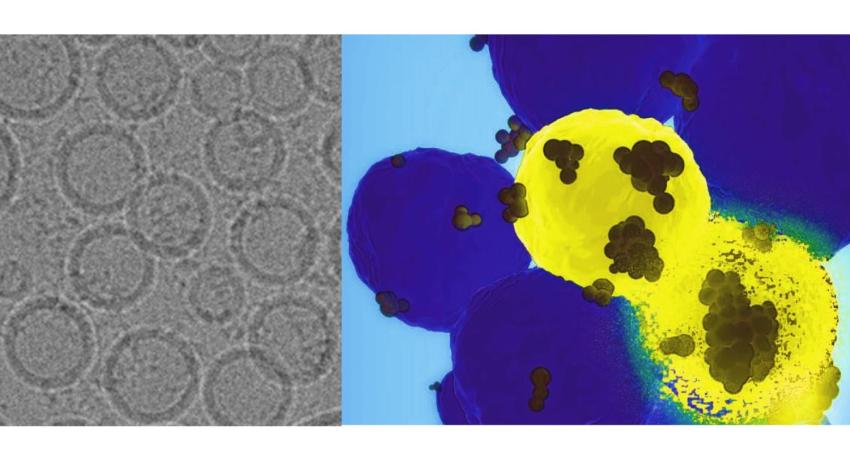
Equipped with novel homing abilities, the platform activates in cancer environments to release gene-editing tools
By Ashley WennersHerron
‘Surprising’ hidden activity of semiconductor material spotted by researchers
By Jamie Oberdick
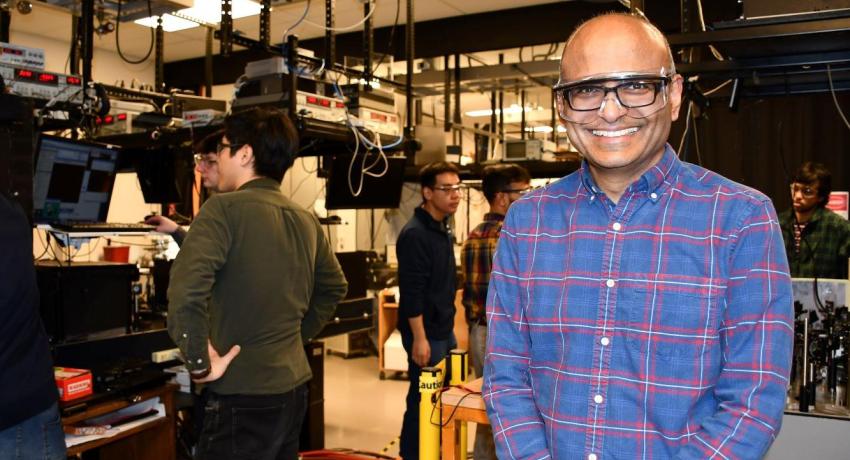
New research suggests that materials commonly overlooked in computer chip design actually play an important role in information processing, a discovery which could lead to faster and more efficient electronics. Using advanced imaging techniques, an international team led by Penn State researchers found that the material that a semiconductor chip device is built on, called the substrate, responds to changes in electricity much like the semiconductor on top of it.
Silicon Carbide Innovation Alliance to drive industrial-scale semiconductor work
By Jamie Oberdick
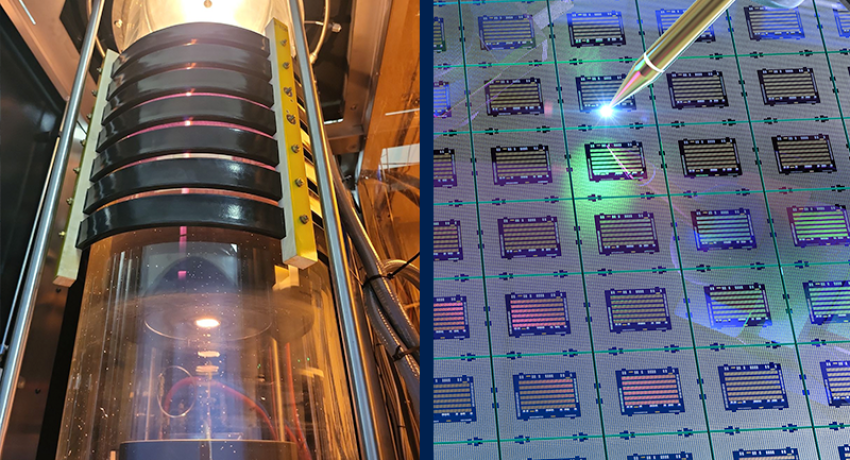
Known for its ability to withstand extreme environments and high voltages, silicon carbide (SiC) is a semiconducting material made up of silicon and carbon atoms arranged into crystals that is increasingly becoming essential to modern technologies like electric vehicles, renewable energy systems, telecommunications infrastructure and microelectronics.
Butterfly-inspired AI technology takes flight

By Jamie Oberdick
When it comes to mating, two things matter for Heliconius butterflies: the look and the smell of their potential partner. The black and orange butterflies have incredibly small brains, yet they must process both sensory inputs at the same time — which is more than current artificial intelligence (AI) technologies can achieve without significant energy consumption. To make AI as smart as the butterflies, a team of Penn State researchers have created a multi-sensory AI platform that is both more advanced and uses less energy than other AI technologies.
Scientists develop new method to create stable, efficient next-gen solar cells
By Matthew Carroll
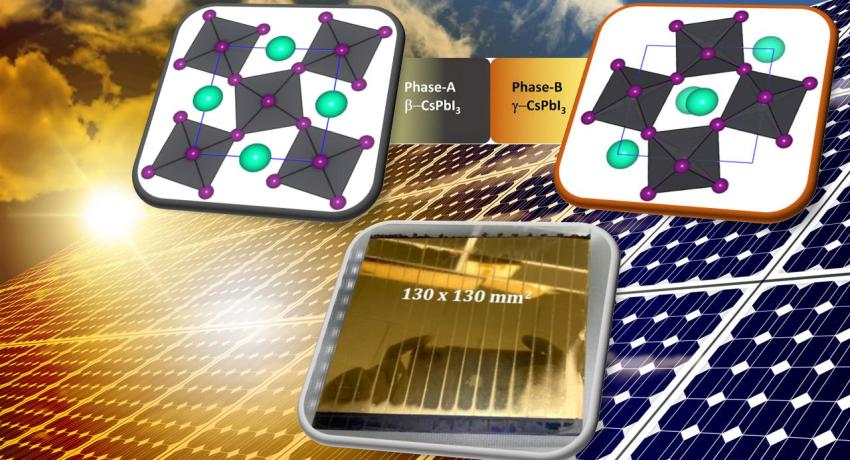
Next-generation solar materials are cheaper and more sustainable to produce than traditional silicon solar cells, but hurdles remain in making the devices durable enough to withstand real-world conditions. A new technique developed by a team of international scientists could simplify the development of efficient and stable perovskite solar cells, named for their unique crystalline structure that excels at absorbing visible light.