Two-dimensional oxides open door for high-speed electronics

Student works on 2D material in lab

By Matthew Carroll

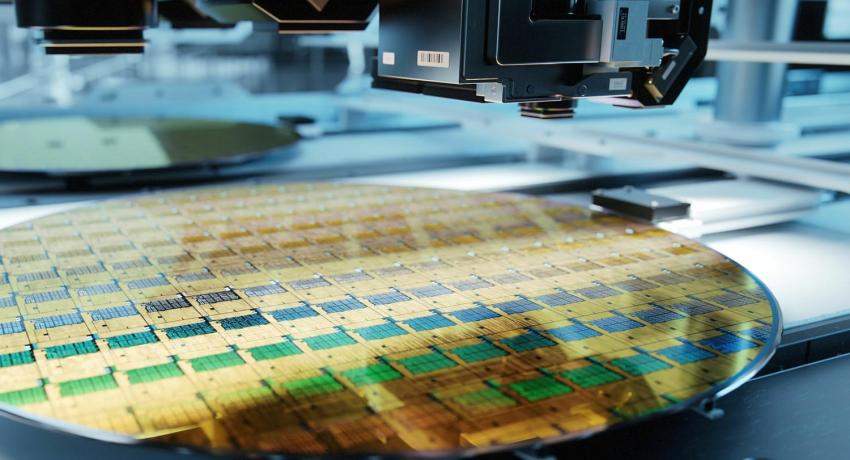
UNIVERSITY PARK, Pa. – Advances in computing power over the decades have come thanks in part to our ability to make smaller and smaller transistors, a building block of electronic devices, but we are nearing the limit of the silicon materials typically used. A new technique for creating 2D oxide materials may pave the way for future high-speed electronics, according to an international team of scientists.

Mechanical engineering meets electromagnetics to enable future technology

UNIVERSITY PARK, Pa. — Reconfigurable antennas — those that can tune properties like frequency or radiation beams in real time, from afar — are integral to future communication network systems, like 6G. But many current reconfigurable antenna designs can fall short: they malfunction in high or low temperatures, have power limitations or require regular servicing.  

Researchers use water treatment method to capture acids from agricultural waste

By Mariah R. Lucas

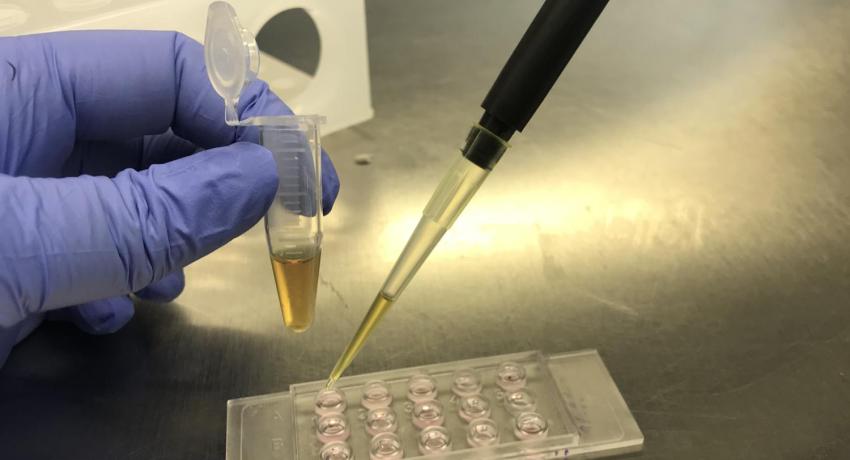
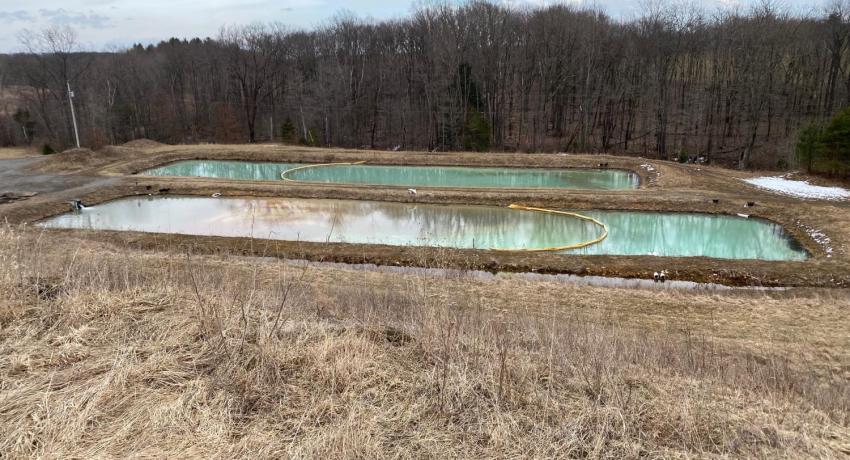
UNIVERSITY PARK, Pa. — Bound for the landfill, agricultural waste contains carbon sources that can be used to produce high-value compounds, such as p-coumaric acid, which is used in manufacturing pharmaceuticals. Electrodeionization, a separation method that uses ion-exchange membranes, is one way to capture the acids and other useful components. However, to capture large quantities at scale, improvements to the method must be made. 

Thandazile Moyo

Thandazile Moyo

Assistant Professor of Energy and Mineral Engineering

(e) thandazilemoyo@psu.edu, (e) tvm5825@psu.edu
(o) 814-863-8852
110 Hosler Building

Work from Computational Textiles Lab researchers on international display

Image of dreadlock-like art

UNIVERSITY PARK, Pa. — Projects developed by Felecia Davis, associate professor of architecture in the College of Arts and Architecture’s Stuckeman School, and student researchers in her Computational Textiles Lab (SOFTLAB) in the Stuckeman Center for Design Computing (SCDC) are featured in two exhibitions this week in different parts of the world.

Christos Argyropoulos

Christos Argyropoulos

Associate Professor

(e) cfa5361@psu.edu
(o) 814-863-2788
203 Electrical Engineering East

In-place manufacturing method improves gas sensor capabilities, production time

Gas sensor capabilitites

By Mariah R. Lucas

When used as wearable medical devices, stretchy, flexible gas sensors can identify health conditions or issues by detecting oxygen or carbon dioxide levels in the breath or sweat. They also are useful for monitoring air quality in indoor or outdoor environments by detecting gas, biomolecules and chemicals. But manufacturing the devices, which are created using nanomaterials, can be a challenge.