Penn State, Kurt J. Lesker Company partner to advance atomic-scale processing

Partnership expands advanced processing tools and engineering expertise in Penn State’s Nanofabrication Laboratory
By Jamie Oberdick

Partnership expands advanced processing tools and engineering expertise in Penn State’s Nanofabrication Laboratory
By Jamie Oberdick
By Adrienne Berard
The U.S. Department of Energy (DOE) announced today (Sept. 4) that it will continue to support Penn State’s Center for Three-Dimensional Ferroelectric Microelectronics Manufacturing (3DFeM) as an Energy Frontier Research Center.
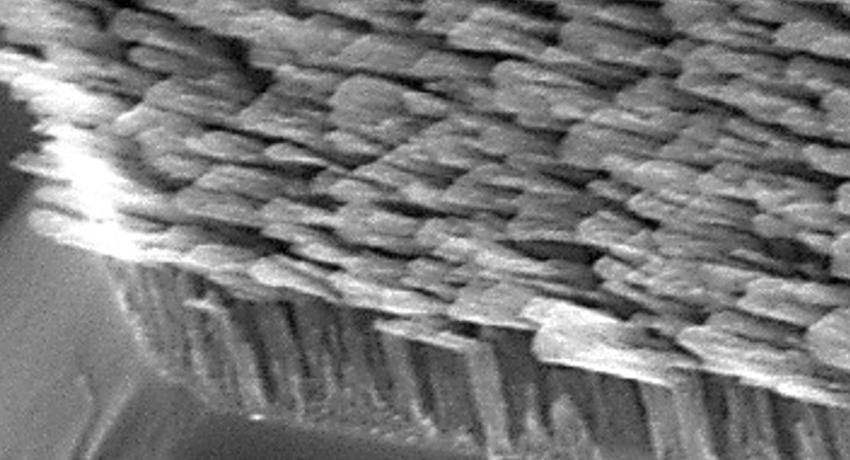
Polarized light waves spin clockwise or counterclockwise as they travel, with one direction behaving differently than the other as it interacts with molecules. This directionality, called chirality or handedness, could provide a way to identify and sort specific molecules for use in biomedicine applications, but researchers have had limited control over the direction of the waves — until now.
Penn State astronomers awarded two grants to develop, fabricate and test improved diffraction optics that could allow next-generation space telescopes to explore objects that are fainter and farther away in the universe
By Katie Yan
By Sam Sholtis
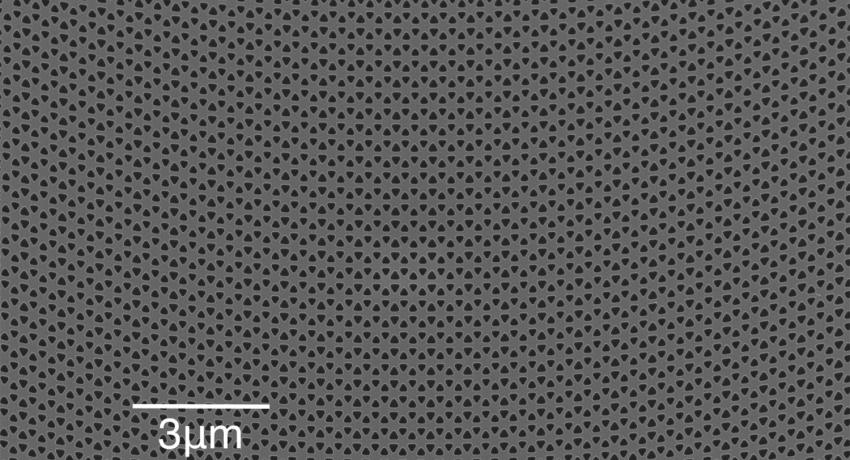
New observation could provide way to increase the strength of interaction between light and matter, eventually leading to smaller lasers and other improved photonic technologies
By Jamie Oberdick
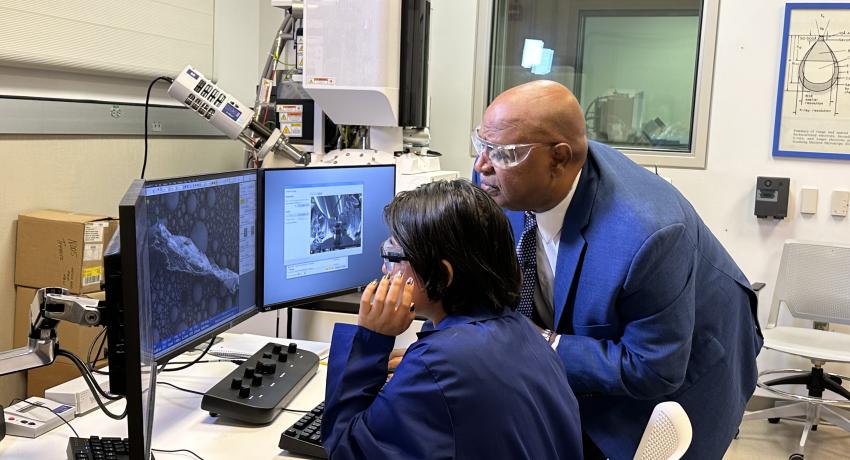
A key to America's future semiconductor success story will be building a skilled workforce, a well-prepared set of workers to address the needs of the chips industry. Workforce development is an essential part of the Chips and Science Act, designed to meet the needs of the semiconductor industry.
By Maria R. Lucas
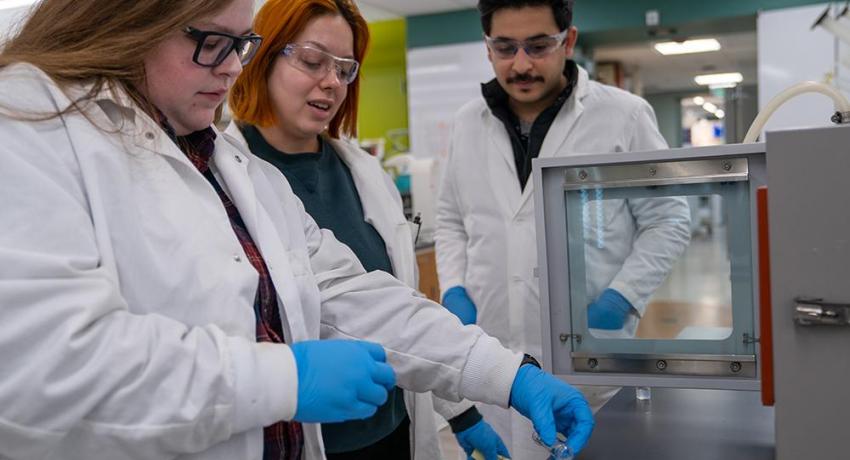
UNIVERSITY PARK, Pa. — Cellulose nanocrystals — bio-based nanomaterials derived from natural resources such as plant cellulose — are valuable for their use in water treatment, packaging, tissue engineering, electronics, antibacterial coatings and much more. Though the materials provide a sustainable alternative to non-bio-based materials, transporting them in liquid taxes industrial infrastructures and leads to environmental impacts.

By Ashley WennersHerron
UNIVERSITY PARK, Pa. — The Semiconductor Research Corporation (SRC)’s Joint University Microelectronics Program 2.0 (JUMP 2.0), a consortium of industrial partners in cooperation with the Defense Advanced Research Projects Agency (DARPA), has announced the creation of a $32.7 million, Penn State-led Center for Heterogeneous Integration of Micro Electronic Systems (CHIMES).
By Gail McCormick
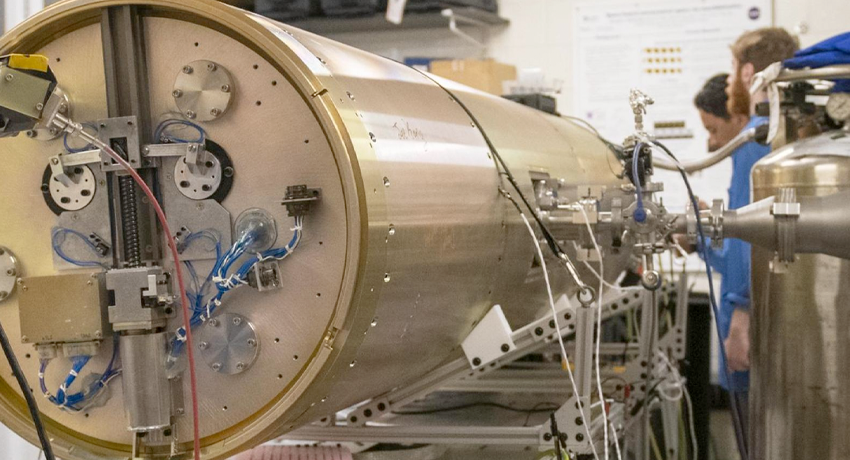
A new X-ray instrument, designed, fabricated, and prepared for flight by a team from Penn State, recently scanned an exploded star while testing technology for future NASA missions.
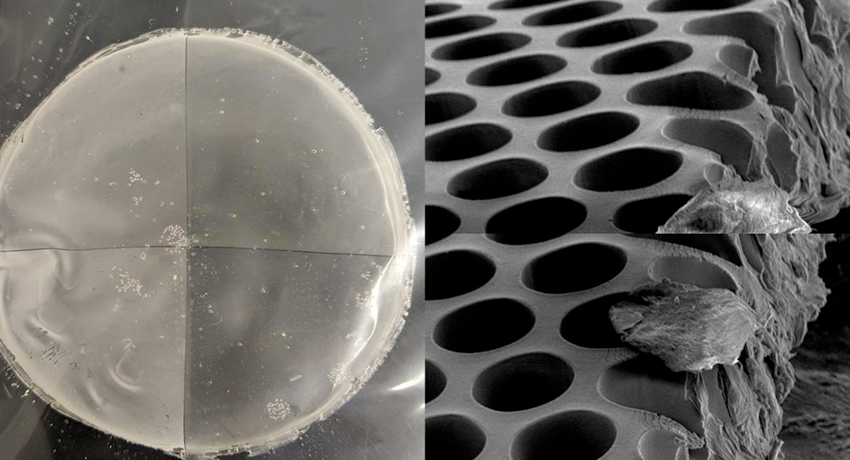
Penn State researchers, led by Chris Arges, are working toward a realistic purification option that is portable, lightweight and easy to operate.