Integrating dimensions to get more out of Moore’s Law and advance electronics
By Jamie Oberdick and Ashley WennersHerron
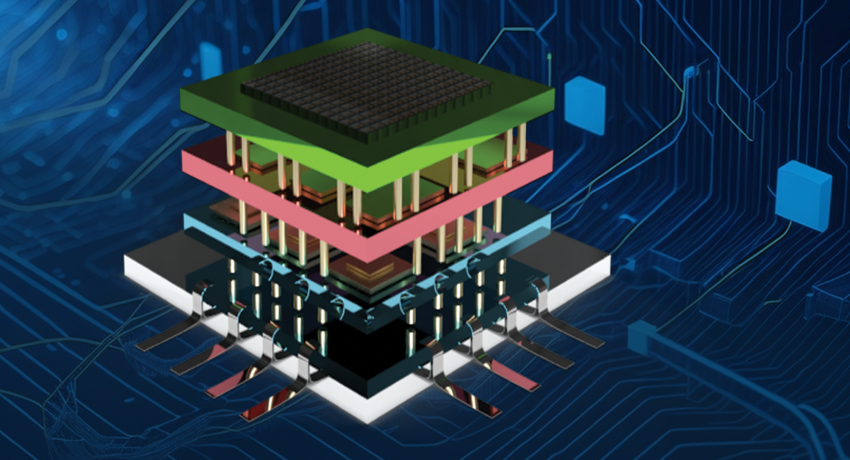
Moore's Law, a fundamental scaling principle for electronic devices, forecasts that the number of transistors on a chip will double every two years, ensuring more computing power — but a limit exists.
Today's most advanced chips house nearly 50 billion transistors within a space no larger than your thumbnail. The task of cramming even more transistors into that confined area has become more and more difficult, according to Penn State researchers.