


Material’s ‘incipient’ property could jumpstart fast, low-power electronics
By Jamie Oberdick
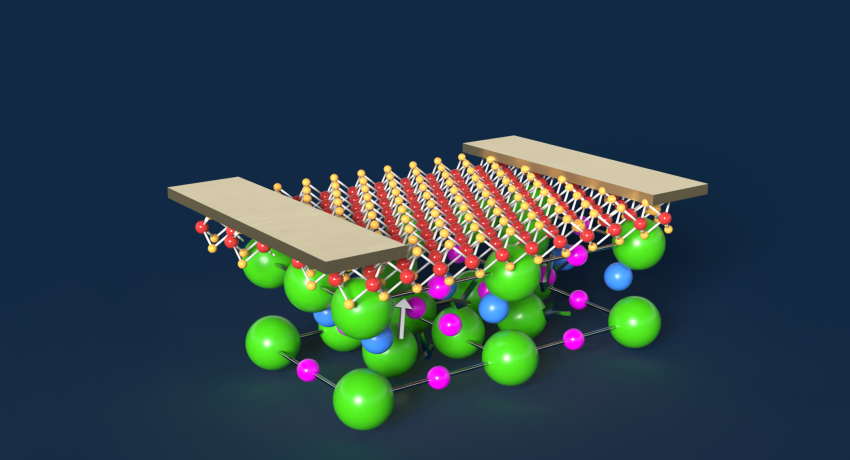
Scientists at Penn State have harnessed a unique property called incipient ferroelectricity to create a new type of computer memory that could revolutionize how our devices work, such as using much less energy and being able to work in extreme environments like outer space.
The researchers noted that the societal benefits of this research could be significant. Traditional AI systems, especially those handling image recognition, consume significant energy. The ferroelectric transistors’ low power requirements present a sustainable alternative.
Magnetic semiconductor preserves 2D quantum properties in 3D material
By Ashley WennersHerron
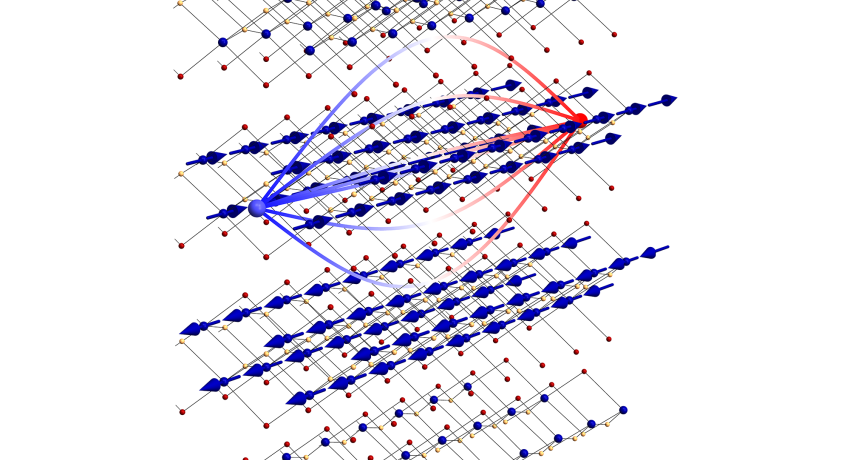
There is a big problem with quantum technology — it’s tiny. The distinctive properties that exist at the subatomic scale usually disappear at macroscopic scales, making it difficult to harness their superior sensing and communication capabilities for real-world applications, like optical systems and advanced computing. Now, however, an international team led by physicists at Penn State and Columbia University has developed a novel approach to maintain special quantum characteristics, even in three-dimensional (3D) materials.