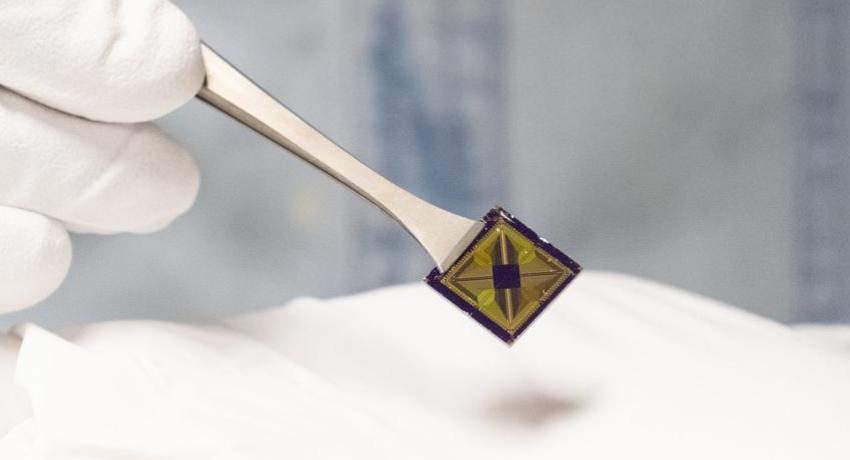
Tiny thermometers offer on-chip temperature monitoring for processors

Students in the Das lab

By Ty Tkacik

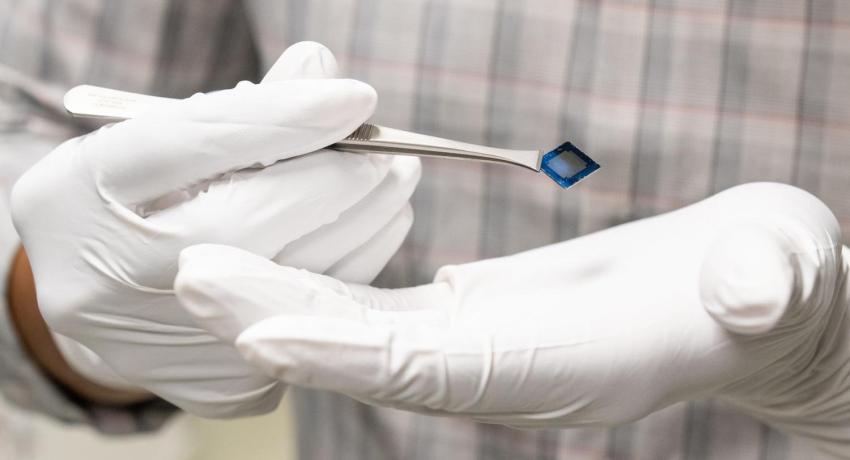
The semiconductor chips driving modern-day computer processors are covered in billions of individual transistors, each of which can overheat under stress, causing steep drops in performance. To address this, a team led by researchers at Penn State has developed a microscopic thermometer, smaller than an ant’s antenna, that can be integrated onto a chip to accurately track temperatures.

Atom-thin material could help solve chip manufacturing problem  

Artist illustration of plasma resistance on thin materials

By Jamie Oberdick

Making computer chips smaller is not just about better design. It also depends on a critical step in manufacturing called patterning, where nanoscale structures are carved into materials to form the circuits inside everything from smartphones to advanced sensors.  

To create these patterns, engineers use a hard mask, a thin, durable material layer that protects selected regions while the exposed areas are etched away.

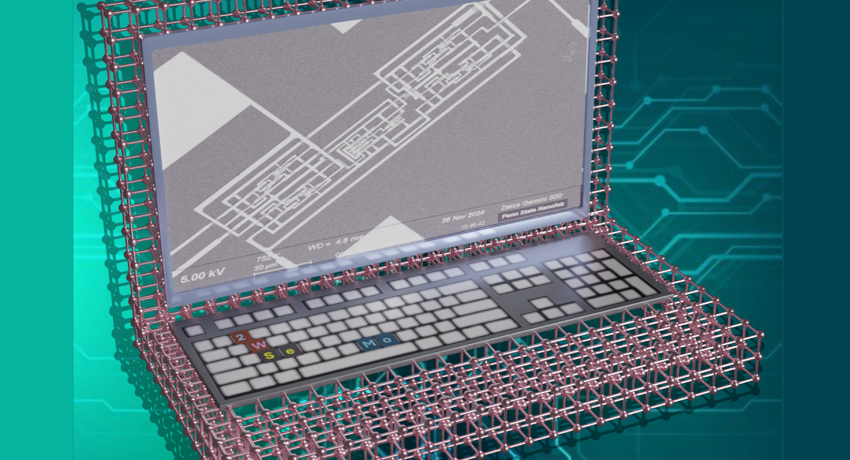
World’s first 2D, non-silicon computer developed

Artist illustration of 2D molecule computer

By Ashley WennersHerron

Silicon is king in the semiconductor technology that underpins smartphones, computers, electric vehicles and more, but its crown may be slipping, according to a team led by researchers at Penn State. In a world first, they used two-dimensional (2D) materials, which are only an atom thick and retain their properties at that scale, unlike silicon, to develop a computer capable of simple operations.

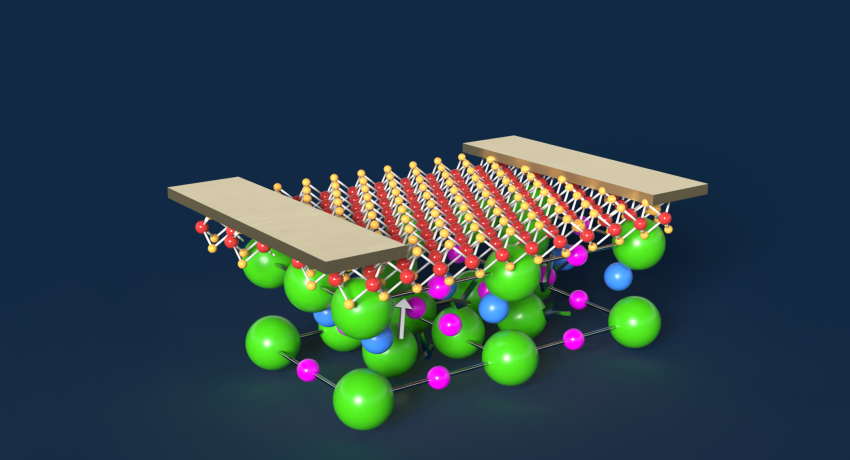
Material’s ‘incipient’ property could jumpstart fast, low-power electronics

Artistic illustration of incipient ferroelectrics

By Jamie Oberdick

Scientists at Penn State have harnessed a unique property called incipient ferroelectricity to create a new type of computer memory that could revolutionize how our devices work, such as using much less energy and being able to work in extreme environments like outer space.

The researchers noted that the societal benefits of this research could be significant. Traditional AI systems, especially those handling image recognition, consume significant energy. The ferroelectric transistors’ low power requirements present a sustainable alternative.

A matter of taste: Electronic tongue reveals AI inner thoughts

Illustration of electronic tongue research

By Ashley WennersHerron

A recently developed electronic tongue is capable of identifying differences in similar liquids, such as milk with varying water content; diverse products, including soda types and coffee blends; signs of spoilage in fruit juices; and instances of food safety concerns. The team, led by researchers at Penn State, also found that results were even more accurate when artificial intelligence (AI) used its own assessment parameters to interpret the data generated by the electronic tongue.

Butterfly-inspired AI technology takes flight

By Jamie Oberdick

When it comes to mating, two things matter for Heliconius butterflies: the look and the smell of their potential partner. The black and orange butterflies have incredibly small brains, yet they must process both sensory inputs at the same time — which is more than current artificial intelligence (AI) technologies can achieve without significant energy consumption. To make AI as smart as the butterflies, a team of Penn State researchers have created a multi-sensory AI platform that is both more advanced and uses less energy than other AI technologies.  

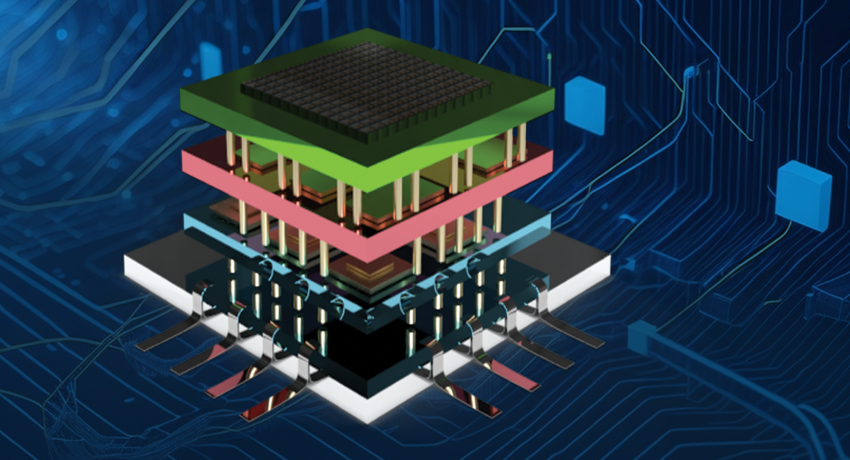
Integrating dimensions to get more out of Moore’s Law and advance electronics

Diagram image of 2D layered advanced electronics

By Jamie Oberdick and Ashley WennersHerron

Moore's Law, a fundamental scaling principle for electronic devices, forecasts that the number of transistors on a chip will double every two years, ensuring more computing power — but a limit exists.

Today's most advanced chips house nearly 50 billion transistors within a space no larger than your thumbnail. The task of cramming even more transistors into that confined area has become more and more difficult, according to Penn State researchers.

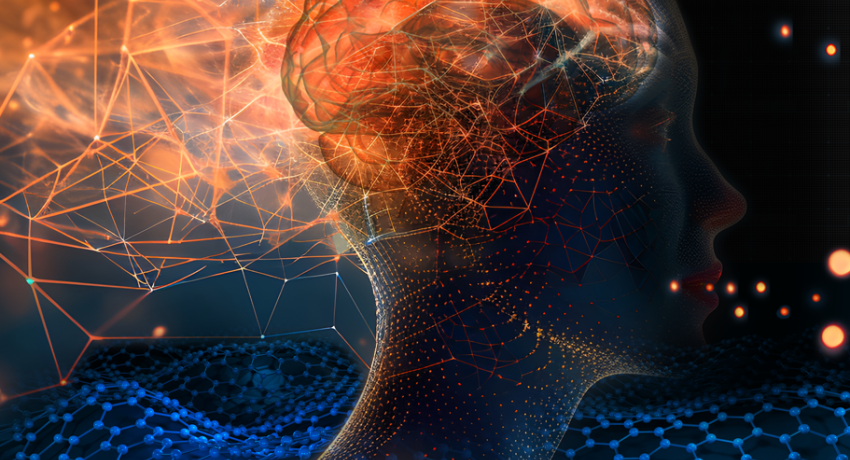
Can AI crave a favorite food?

AI Sensor for Taste Image

By Jamie Oberdick

'Electronic tongue' holds promise as possible first step to artificial emotional intelligence

Can artificial intelligence (AI) get hungry? Develop a taste for certain foods? Not yet, but a team of Penn State researchers is developing a novel electronic tongue that mimics how taste influences what we eat based on both needs and wants, providing a possible blueprint for AI that processes information more like a human being.