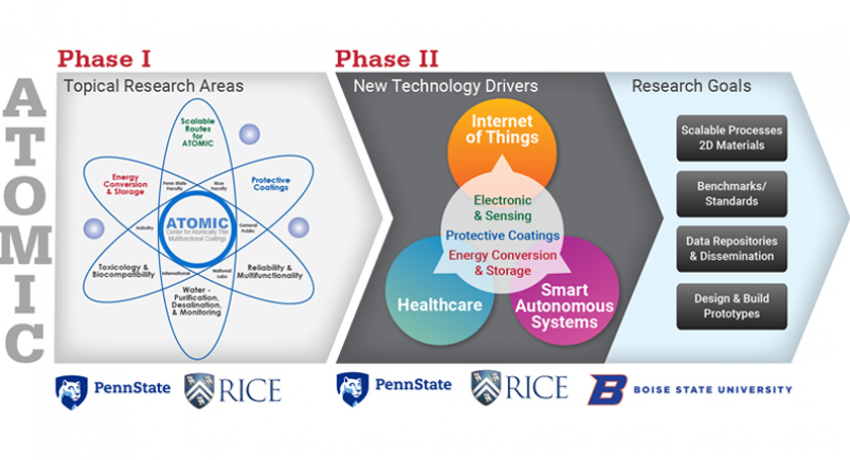
NSF Renews Funding For Two-Dimensional Crystal Consortium
Penn State facility enables development of new ultra-thin materials for advanced electronics
Researchers have repaired traumatic injuries in a rat model using bioprinting during surgery, and their work may lead to faster and better methods of healing skin and bones.
Developing new ultrathin metal electrodes has allowed researchers to create semitransparent perovskite solar cells that are highly efficient and can be coupled with traditional silicon cells to greatly boost the performance of both devices.
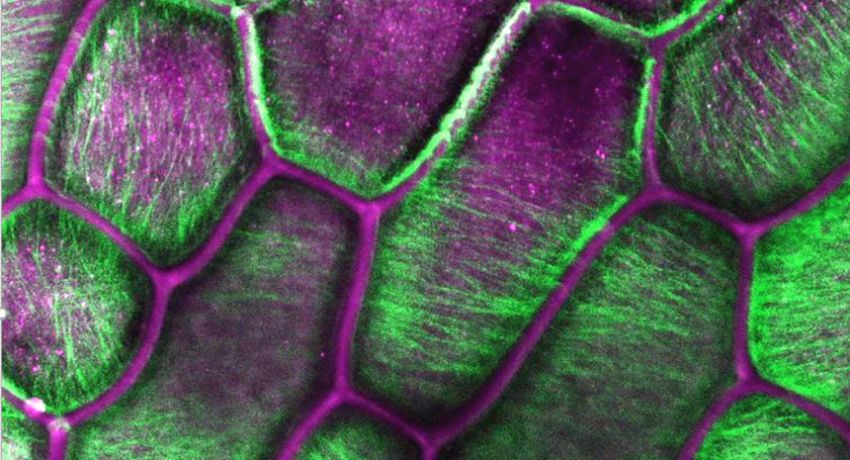
The observation of a previously undetected biological mechanism for closing gaps in living tissue improves basic understanding of the wound-healing process.