Penn State Food Scientist Turns Avocado Pits Into Natural Food Coloring
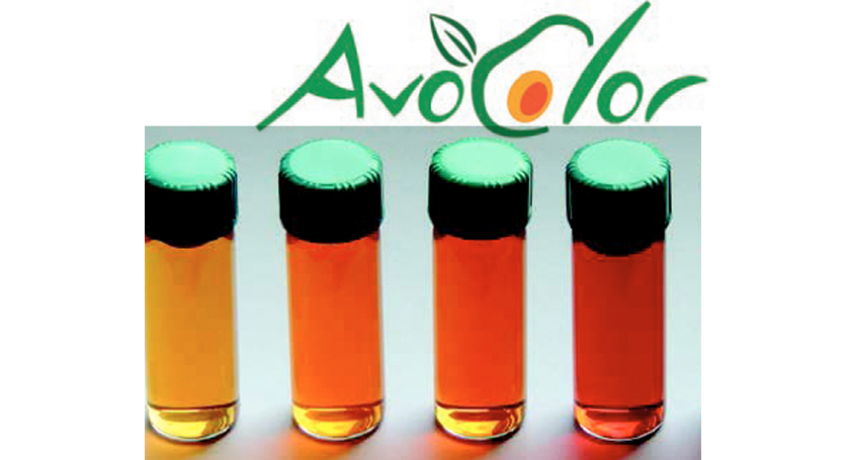
When avocado pits are pulverized, an enzymatic reaction produces a bright orange color.

When avocado pits are pulverized, an enzymatic reaction produces a bright orange color.
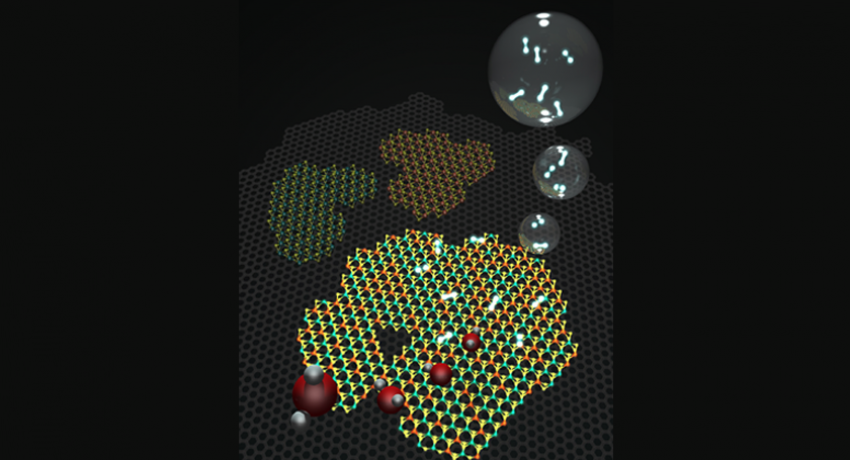
A team of scientists have come one step closer to inexpensive, clean hydrogen fuel with a lower cost and industrially scalable catalyst that produces pure hydrogen through a low-energy water-splitting process.
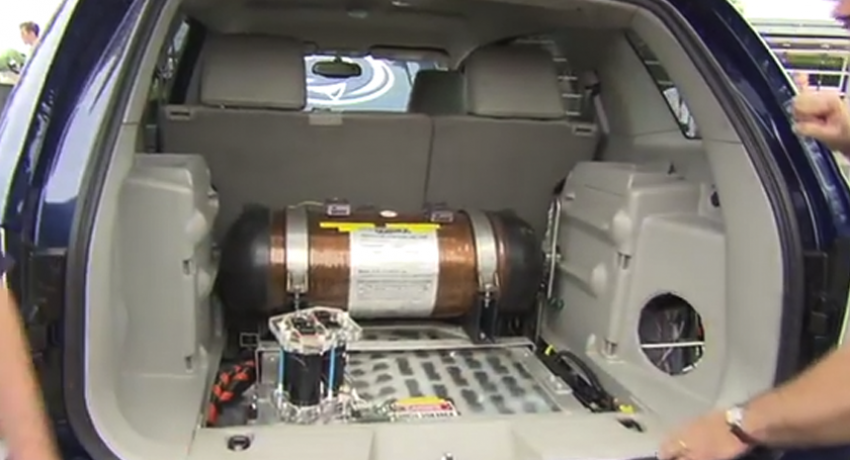
Finding practical hydrogen storage technologies for vehicles powered by fuel cells is the focus of a $682,000 grant from the U.S. Department of Energy, awarded to Mike Chung.
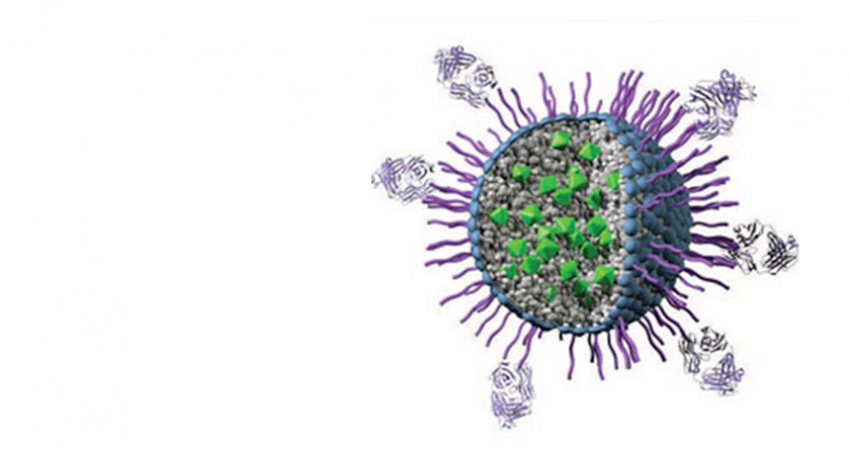
An investigational compound developed by Penn State researchers that targets and destroys cancer cells while leaving healthy cells unharmed has been approved for phase one clinical human trials by the U.S. Food and Drug Administration (FDA).