Can Machines Discover?
Read this issue online here.

To receive a FREE printed issue, subscribe to "Printed Materials" and add/update your mailing address.

Opt In

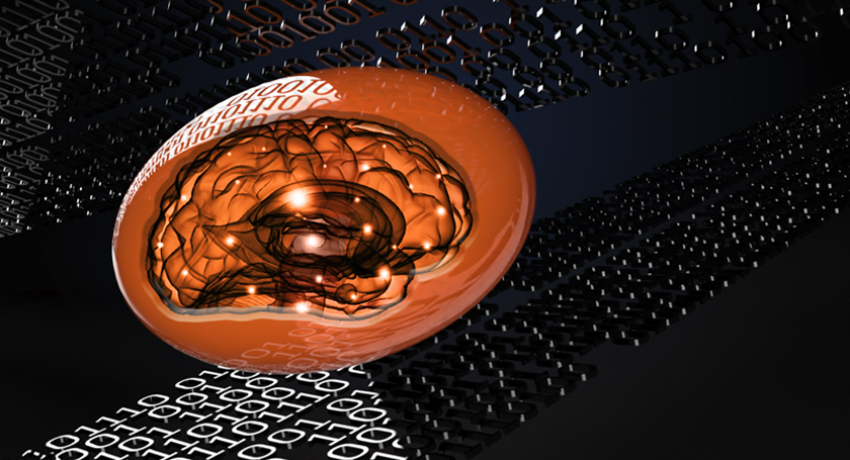
A clearer understanding of how a type of brain cell known as…

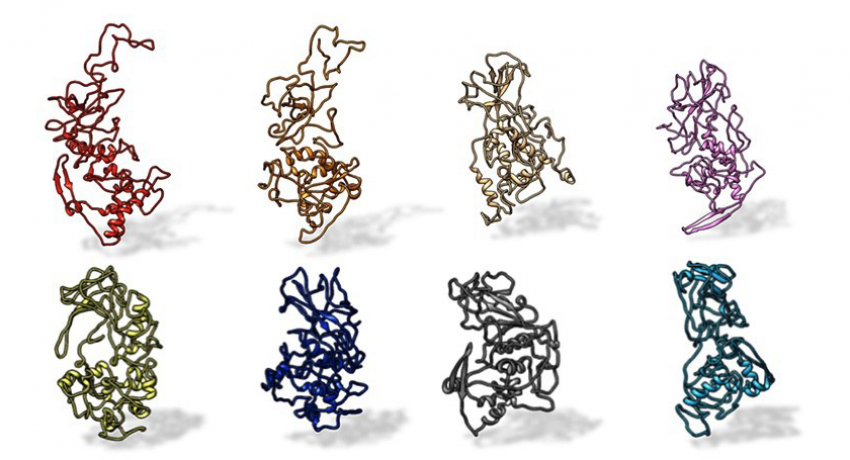
For years, researchers believed that the smaller the domain size in a ferroelectric crystal, the greater the piezoelectric properties of the material. However, recent findings by Penn State researchers have raised questions about this standard rule.

For years, researchers believed that the smaller the domain size…

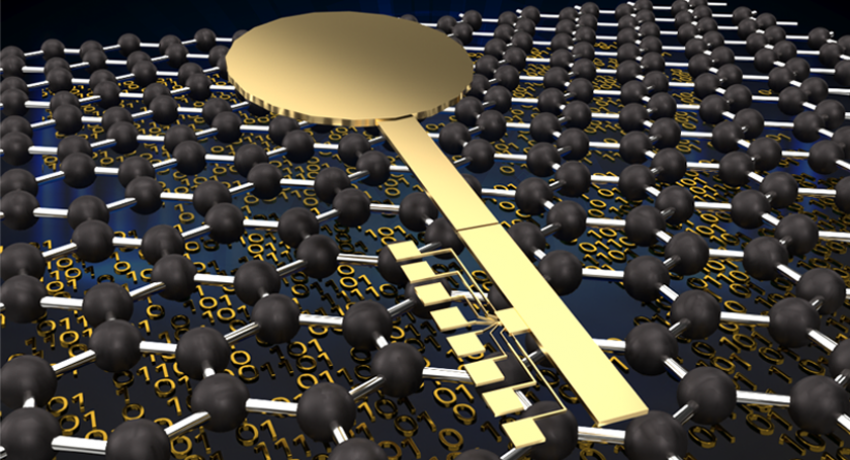
Defects in the lattice structure of hexagonal boron nitride can be detected with photoluminescence. Researchers shine a light with a color or energy on the material and get a different color from the defect. In addition, the figure shows hydrogen bubbles being generated from these defects that contain catalyst atoms (gray and dark spheres attached to the vacancies).

Tiny defects hold key to turning inert materials into more useful…

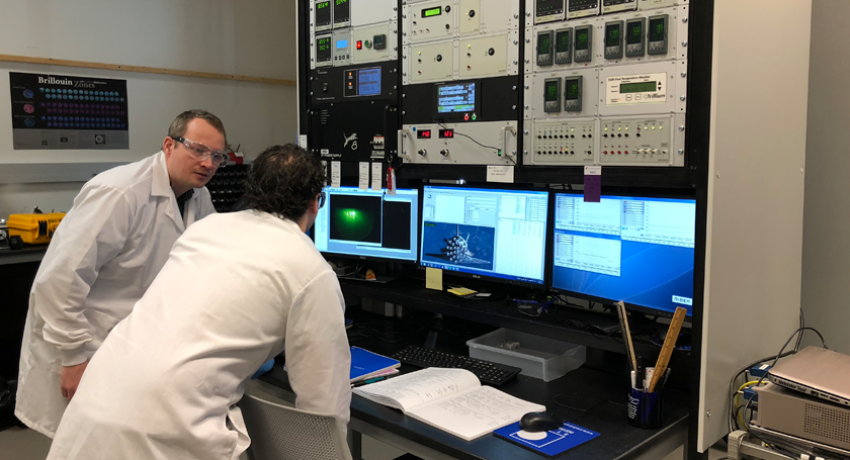
Materials Research Institute researchers Nichole Wonderling (left) and Josh Stapleton (right) observe Connor's work in the Millennium Science Complex

Materials Research Institute gives undergraduate student workers…

Featured Winners

Three Penn State faculty and two graduate students have received…

4th World Laureates Forum Speaker, Larry Cheng

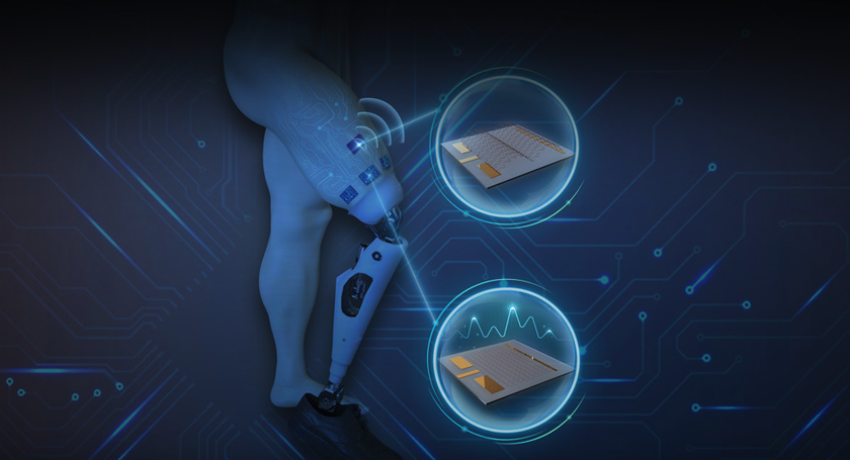
Huanyu “Larry” Cheng has been selected to present at two invite-…

Chromatir: Lauren Zarzar

Founders use Penn State entrepreneurial ecosystem to work toward…

contribute to Pan-African exhibition

Penn State faculty members DK Osseo-Asare and Yasmine Abbas have…